Water → (2-(2-Chlorophenyl)thiazol-4-yl)methanol
Reaction equation

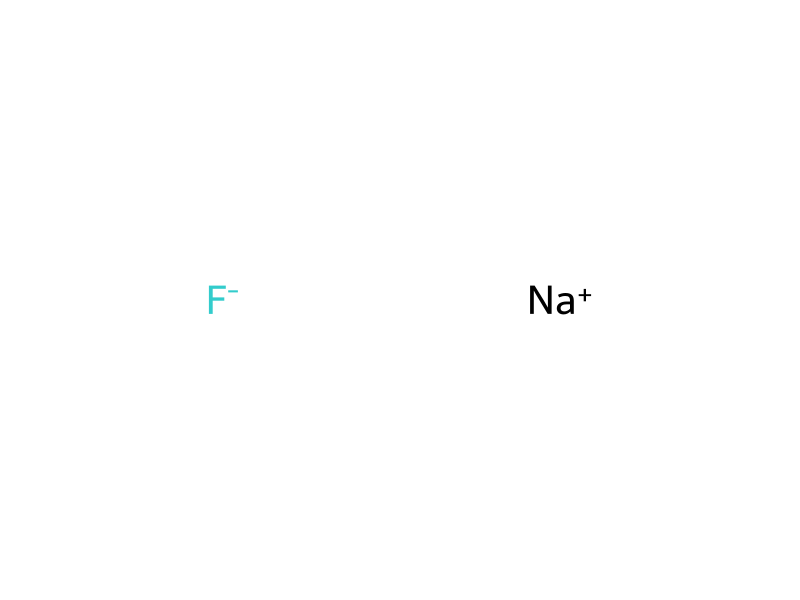
[Cl:1][C:2]1[CH:7]=[CH:6][CH:5]=[CH:4][C:3]=1[C:8]1[S:9][CH:10]=[C:11]([C:13](OCC)=[O:14])[N:12]=1.[H-].C([Al+]CC(C)C)C(C)C.[F-].[Na+].O>C(Cl)Cl>[Cl:1][C:2]1[CH:7]=[CH:6][CH:5]=[CH:4][C:3]=1[C:8]1[S:9][CH:10]=[C:11]([CH2:13][OH:14])[N:12]=1Participants





Procedure
To a solution of ethyl 2-(2-chlorophenyl)-4-thiazolecarboxylate (1.34 g, 5.0 mmol), prepared as described above, in CH2Cl2 (20 mL) at −78° C. is added diisobutylaluminum hydride (10.5 mL of 1.0 M solution in toluene, 10.5 mmol) and the resulting reaction mixture is stirred at −78° C. for 1 hour after which time sodium fluoride (1.5 g) and water (0.5 mL) are added and the reaction mixture is allowed to warm to room temperature and filtered. The filtrate is concentrated to provide the crude reduction product which is purified by column chromatography (10% ethyl acetate in hexanes) to afford 138 mg of [2-(2-chlorophenyl)-1,3-thiazol-4-yl]carboxyaldehyde and 605 mg of [2-(2-chlorophenyl)-1,3-thiazol-4-yl]methanol. The of [2-(2-chlorophenyl)-1,3-thiazol-4-yl]carboxyaldehyde portion is then used for subsequent steps while the [2-(2-chlorophenyl)-1,3-thiazol-4-yl]methanol portion is converted to [2-(2-chlorophenyl)-1,3-thiazol-4-yl]carboxyaldehyde via standard oxidation conditions.
Workup
- customat −78° C.
- customthe resulting reaction mixture
- additionare added
- filtrationfiltered
- concentrationThe filtrate is concentrated
- customto provide the crude reduction product which
- customis purified by column chromatography (10% ethyl acetate in hexanes)
Sources & evidence
- ORD record
- ord-57c6598976154a6b9c6f5793fe031ea9
- Source dataset
- uspto-grants-2006_05
- Patent number
- US07041690B2
Reaction notes
Loading…