Triethylamine → 2-(Acryloyloxy)ethyl methacrylate
Reaction equation

[C:1]([O:6][CH2:7][CH2:8][OH:9])(=[O:5])[C:2]([CH3:4])=[CH2:3].C(N(CC)CC)C.[C:17](Cl)(=[O:20])[CH:18]=[CH2:19]>ClCCl>[C:1]([O:6][CH2:7][CH2:8][O:9][C:17](=[O:20])[CH:18]=[CH2:19])(=[O:5])[C:2]([CH3:4])=[CH2:3]Participants
5
Reactant 3

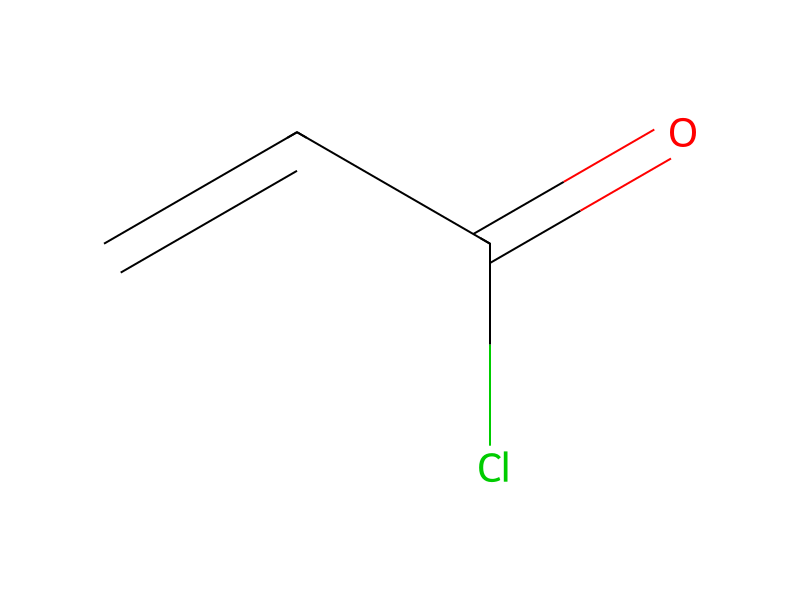

Product 1

Reagents, catalysts & solvents 1

Procedure
5.0 g of hydroxyethyl methacrylate was weighed into a 250 ml r.b. flask fitted with stirrer, thermometer and nitrogen blanket. 3.88 g of triethylamine was then added followed by 80 ml of dichloromethane. The mixture was cooled and 4.15 g of acryloylchloride was added dropwise. The reaction mixture turned yellow and after 10 min a precipitate formed. Stirring was continued for 90 minutes. The precipitated material (TMEDA.HCl) was then filtered off and the organic solution extracted with sodium bicarbonate solution. The solution was then dried over anhydrous magnesium sulphate and after filtration the solvent evaporated to give a pale yellow oil (yield˜90%).
Workup
- customflask fitted with stirrer
- temperatureThe mixture was cooled
- customa precipitate formed
- waitwas continued for 90 minutes
- filtrationThe precipitated material (TMEDA.HCl) was then filtered off
- extractionthe organic solution extracted with sodium bicarbonate solution
- dry with materialThe solution was then dried over anhydrous magnesium sulphate
- filtrationafter filtration the solvent
- customevaporated
Sources & evidence
- ORD record
- ord-a9722705dcd54a4ca0862989284ed2a1
- Source dataset
- uspto-grants-2006_06
- Patent number
- US07064174B2
Reaction notes
Loading…