Bromide ion → N-[3-(4-Piperidinyl)phenyl]propanamide
Reaction equation

[NH:1]1[CH2:6][CH2:5][CH2:4][CH2:3][CH2:2]1.C(I)[C:8]1[CH:13]=[CH:12][CH:11]=[CH:10][CH:9]=1.[Br-].[N-:16]=[C:17]=[O:18].[C:19](#N)[CH3:20]>>[NH:1]1[CH2:6][CH2:5][CH:4]([C:12]2[CH:13]=[C:8]([NH:16][C:17](=[O:18])[CH2:19][CH3:20])[CH:9]=[CH:10][CH:11]=2)[CH2:3][CH2:2]1Participants
Reactant 5




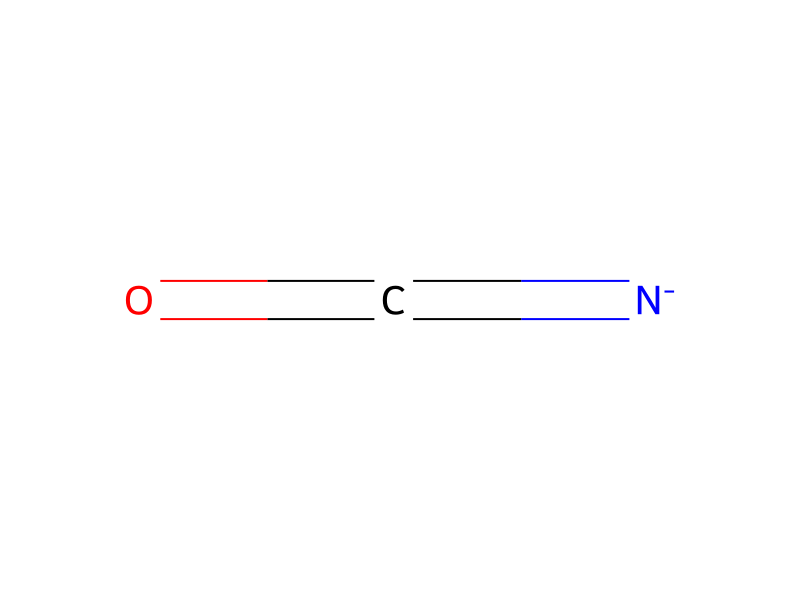
Product 1

Reagents, catalysts & solvents 1

Procedure
The library was constructed in polypropylene Robbins 46 well plates Reactor Blocks. In the initial incubation period, each well was charged with PS-TBD resin (from Argonaut Technologies, 0.280 mmol, 2.50 eq, 200 mg), and piperidine (0.120 mmol, 1.10 eq) in acetonitrile (0.500 mL) and agitated for 1 h. A solution of benzyl iodide or bromide (0.110 mmol, 1.00 eq) in acetonitrile (0.500 mL) was added to each well followed by additional acetonitrile (1.00 mL) to make a total volume of 2.00 mL and the mixture was rotated in a Robbins rotating oven at room temperature for 16 h. Then AP-Isocyanate resin (Argonaut Technologies, 250 mg, 0.430 mmol, 4.00 eq) was added to each well and reacted further at room temperature for another 12 h. The mixture was filtered and the filtrate was concentrated in vacuo to obtain the desired product that was characterized via LC-MS.
Workup
- customat room temperature
- customfor 16 h
- customreacted further at room temperature for another 12 h
- filtrationThe mixture was filtered
- concentrationthe filtrate was concentrated in vacuo
Sources & evidence
- ORD record
- ord-082eae01d33f4417acdf0992ab481a17
- Source dataset
- uspto-grants-2006_06
- Patent number
- US07067534B1
Reaction notes
Loading…