Hydrochloric Acid → HCID 22761688, compound
Reaction equation

[C:1]1([C:7]2[C:11]3[CH:12]=[CH:13][C:14]([C:16]([OH:18])=[O:17])=[CH:15][C:10]=3[O:9][CH:8]=2)[CH:6]=[CH:5][CH:4]=[CH:3][CH:2]=1.[N+:19]([O-:24])([N+]([O-])=O)=[O:20].[OH-].[Na+].Cl>ClCCl.C(O)(=O)C>[N+:19]([C:8]1[O:9][C:10]2[CH:15]=[C:14]([C:16]([OH:18])=[O:17])[CH:13]=[CH:12][C:11]=2[C:7]=1[C:1]1[CH:2]=[CH:3][CH:4]=[CH:5][CH:6]=1)([O-:24])=[O:20]Participants
7






Procedure
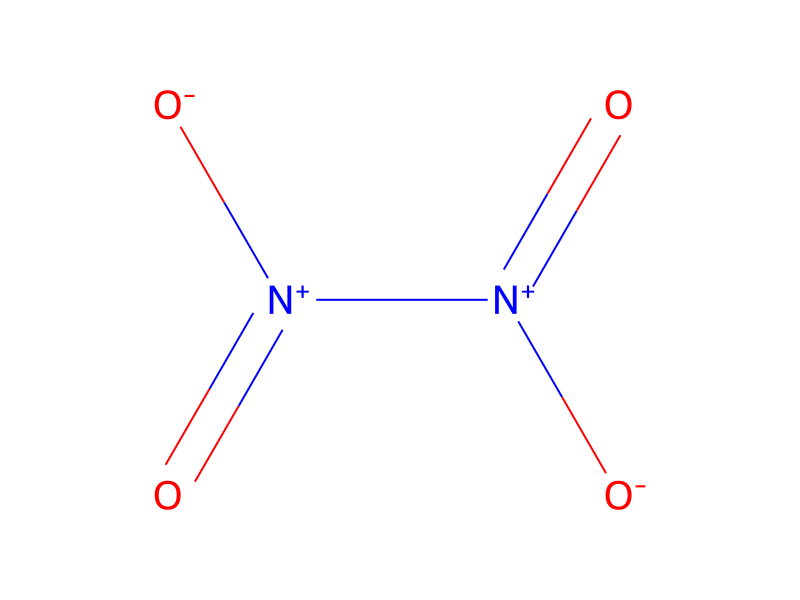
A solution of 2 g of 3-phenyl-6-benzofurancarboxylic acid in 100 ml of dichloromethane and 20 drops of acetic acid is treated with 3.0 g of dinitrogen tetroxide. The mixture is stirred for about 70 hours then evaporated to provide a residue. The residue is treated with cold 5% sodium hydroxide solution until solution occurs. The solution is acidified with 6N hydrochloric acid and the yellow solid is collected and recrystallized from ethanol to provide 2-nitro-3-phenyl-6-benzofurancarboxylic acid, m.p. 244°-247° C.
Workup
- customthen evaporated
- customto provide a residue
- customthe yellow solid is collected
- customrecrystallized from ethanol
Sources & evidence
- ORD record
- ord-ce04ac69d6de46c6ab8b19a92f3a5ae3
- Source dataset
- uspto-grants-1978_01
- Patent number
- US04067993
Reaction notes
Loading…