Dichloromethane → Cephaloglycin
Reaction equation

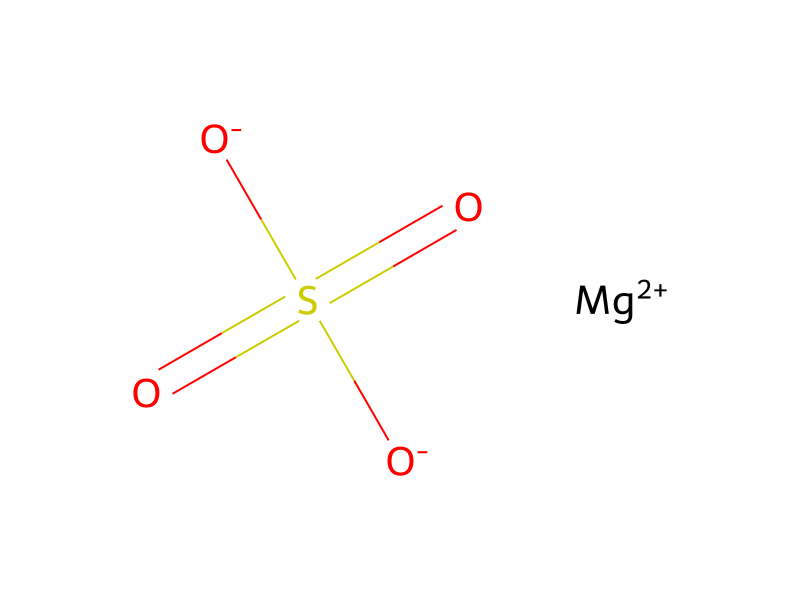
[CH3:1][C:2]([O:4][CH2:5][C:6]1[CH2:25][S:24][C@@H:9]2[C@H:10]([NH:13][C:14]([C@H:16]([NH2:23])[C:17]3[CH:22]=[CH:21][CH:20]=[CH:19][CH:18]=3)=[O:15])[C:11](=[O:12])[N:8]2[C:7]=1[C:26]([OH:28])=[O:27])=[O:3].O.S([O-])([O-])(=O)=O.[Mg+2].C(Cl)Cl>C(N(CC)CC)C>[CH3:1][C:2]([O:4][CH2:5][C:6]1[CH2:25][S:24][C@@H:9]2[C@H:10]([NH:13][C:14]([C@H:16]([NH2:23])[C:17]3[CH:22]=[CH:21][CH:20]=[CH:19][CH:18]=3)=[O:15])[C:11](=[O:12])[N:8]2[C:7]=1[C:26]([OH:28])=[O:27])=[O:3]Participants
5
Reactant 3


Product 1

Reagents, catalysts & solvents 1

Procedure
To a suspension consisting of 4.23 g. of cephaloglycin monohydrate, 3.0 g. of anhydrous magnesium sulfate, and 70 ml. of methylene chloride are added 3.1 ml. of triethylamine and after stirring the mixture for one hour at room temperature, magnesium sulfate was filtered off to provide a triethylamine salt solution of cephaloglycin. To the solution was added dropwise a solution of nicotinoyl chloride N-oxide prepared by adding dropwise 0.73 ml. of thionyl chloride to a solution consisting of 1.39 g. of nicotinic acid N-oxide, 1.4 ml. of triethylamine, and 30 ml. of methylene chloride under ice-cooling followed by stirring for 1.5 hours. In this case, the pH of the reaction mixture was maintained at 8-9 by adding triethylamine.
Workup
- filtrationmagnesium sulfate was filtered off
Sources & evidence
- ORD record
- ord-53f06f6a2a0f4de68eb9ffbfcae2a0bb
- Source dataset
- uspto-grants-1978_01
- Patent number
- US04068074
Reaction notes
Loading…