Hydrogen Cyanide → N,N-Dimethyl-1-phenylmethanamine--hydrogen chloride (1/1)
Reaction equation

[CH3:1][N:2]([CH3:10])[CH2:3][C:4]1[CH:9]=[CH:8][CH:7]=[CH:6][CH:5]=1.C(OC1C=CC(C([Cl:20])=O)=CC=1)C.C#N>C1C=CC=CC=1>[ClH:20].[CH3:1][N:2]([CH3:10])[CH2:3][C:4]1[CH:9]=[CH:8][CH:7]=[CH:6][CH:5]=1Participants
Reactant 3
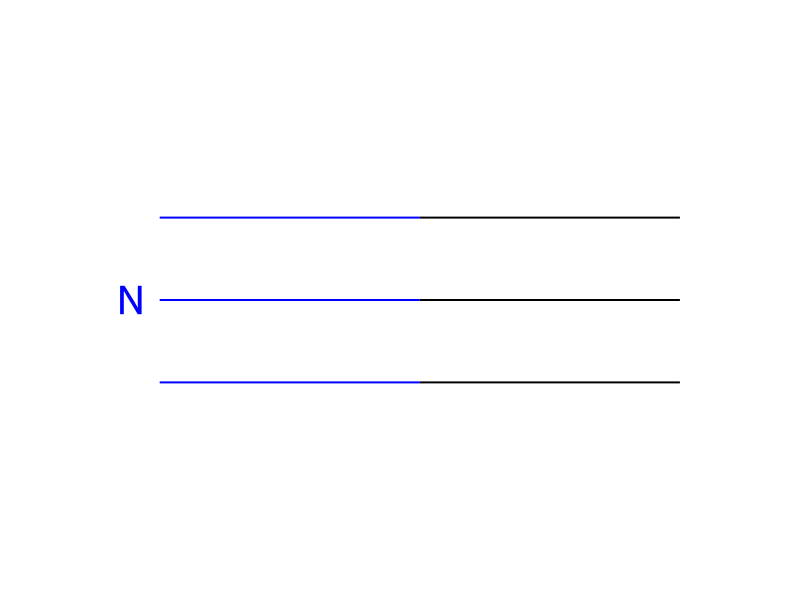
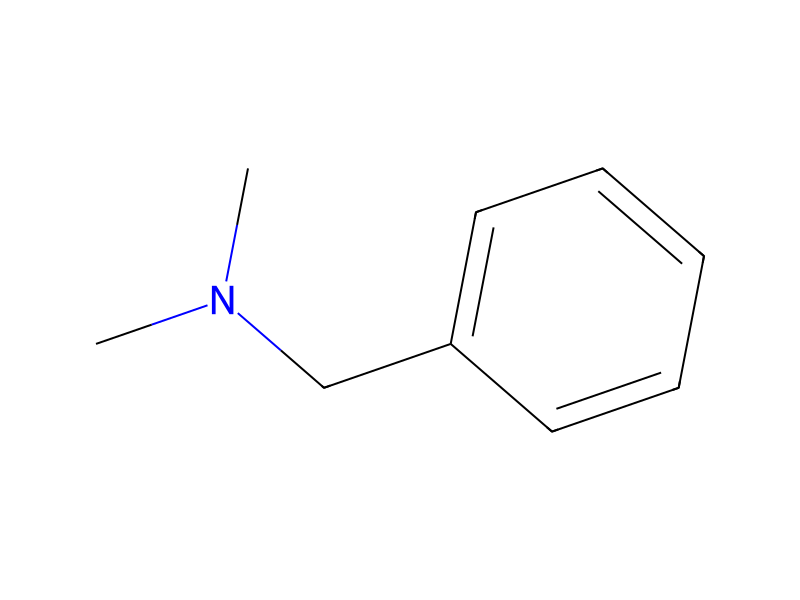

Product 1

Reagents, catalysts & solvents 1

Conditions
- Temperature
- -20 °C
Procedure
A solution of 135 g (1 mole) of dimethylbenzylamine in 100 ml of benzene was added dropwise, at -2° C, while cooling, in the course of 30 minutes to a mixture of 184 g (1 mole) of para-ethoxybenzoyl chloride and 54 g (2 moles) of anhydrous hydrocyanic acid in 300 ml of benzene at such a rate that the internal temperature did not rise above -20° C during the addition. When the addition was complete, the mixture was stirred for a further 10 minutes at -20° C and the excess hydrocyanic acid was then distilled, under a waterpump vacuum, into a cooled receiver. Dimethylbenzylamine hydrochloride, which was obtained in a crystalline form, was filtered off from the residual reaction mixture. The filtrate was subjected to fractional vacuum distillation. In this way 152 g (87% of theory) of para-ethoxybenzoyl cyanide with a melting point of 43° C were obtained.
Workup
- additiondid not rise above -20° C during the addition
- additionWhen the addition
- distillationthe excess hydrocyanic acid was then distilled, under a waterpump vacuum, into a cooled receiver
Sources & evidence
- ORD record
- ord-104bb3af92b04d12b0b9bf5d6eaffdf2
- Source dataset
- uspto-grants-1978_01
- Patent number
- US04069252
Reaction notes
Loading…