Hydrochloric Acid → 2,4-Pentanedione, 3-(p-hydroxybenzyl)-
Reaction equation

CNC.[CH3:4][C:5](=[O:10])[CH2:6][C:7](=[O:9])[CH3:8].Cl.Cl[CH2:13][C:14]1[CH:19]=[CH:18][C:17]([OH:20])=[CH:16][CH:15]=1>O>[OH:20][C:17]1[CH:18]=[CH:19][C:14]([CH2:13][CH:6]([C:5](=[O:10])[CH3:4])[C:7](=[O:9])[CH3:8])=[CH:15][CH:16]=1Participants
6
Reactant 4

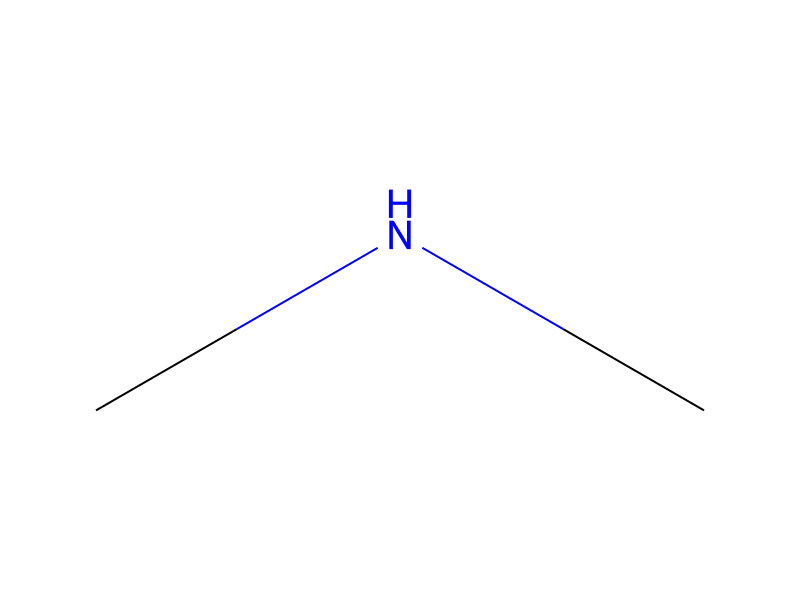


Product 1

Reagents, catalysts & solvents 1

Procedure
A solution of p-chloromethyl phenol in acetonitrile (Example 12) was reacted with equimolar dimethyl amine and equimolar 2,4-pentanedione by stirring together for 1 hour. The reactive mixture was diluted with water, acidified with hydrochloric acid, extracted with ether, and then the ether extract was dried with sodium sulfate. The residual oil was triturated with benzene to yield 78% of 3(4' hydroxybenzyl)-2,4-pentanedione, M.P. 93°-94.5° C. Infrared and nuclear magnetic resonance spectra confirmed the identity of the product.
Workup
- extractionextracted with ether
- extractionthe ether extract
- dry with materialwas dried with sodium sulfate
- customThe residual oil was triturated with benzene
Sources & evidence
- ORD record
- ord-100b6ac469264b5d8143ac33a41b09f6
- Source dataset
- uspto-grants-1978_01
- Patent number
- US04069340
Reaction notes
Loading…