Ammonia → 2-Carbethoxy-3-n-propyl-4,5-dimethylpyrrole
Reaction equation

I.[PH2](O)=O.[C:5]([C:10]1[NH:11][C:12]([CH3:16])=[C:13]([CH3:15])[CH:14]=1)([O:7][CH2:8][CH3:9])=[O:6].[CH:17](=O)[CH2:18][CH3:19].N>O.C(O)(=O)C>[C:5]([C:10]1[NH:11][C:12]([CH3:16])=[C:13]([CH3:15])[C:14]=1[CH2:17][CH2:18][CH3:19])([O:7][CH2:8][CH3:9])=[O:6]Participants
8

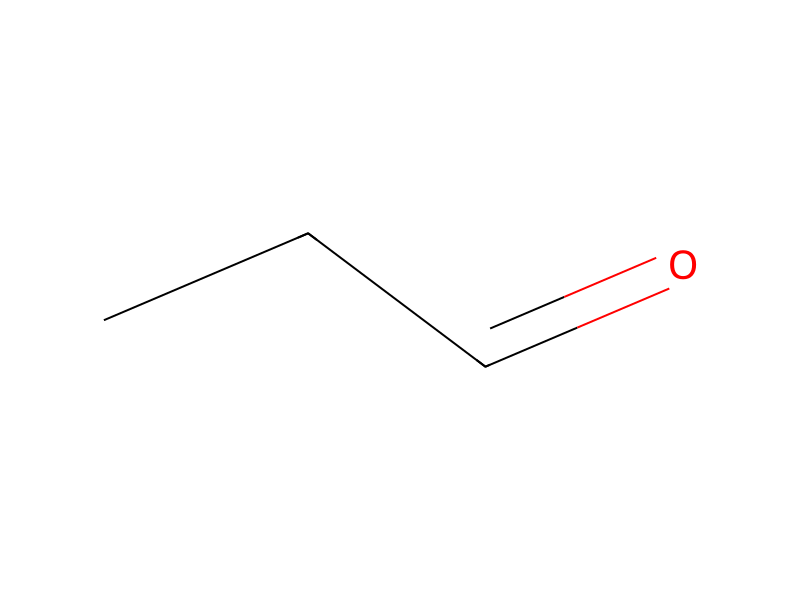





Procedure
Hydriodic acid (d 1.95, 10 ml) was slowly added to 10 ml of stirred and cooled acetic acid; hypophosphorous acid (50%, 2 ml) was then added. 2-Carbethoxy-4,5-dimethylpyrrole (0.004 mol) was added to the mixture at room temperature followed by propionaldehyde (0.008 mol). The solution was stirred 21/2 h at ca. 25° C. then poured into 200 ml of water. This was made alkaline with ammonia, extracted with ether, and the ether was evaporated to leave the crude product. This was an oil which solidified after distillation (1 × 10⁻⁴ mm). It was recrystallized from aqueous ethanol, then from ethanol m.p. 101°-104° C. (lit. 102° C), yield 40%. ##STR68##
Workup
- stirringThe solution was stirred 21/2 h at ca. 25° C.
- extractionextracted with ether
- customthe ether was evaporated
Sources & evidence
- ORD record
- ord-ae507132a1404395a595714b4e951d65
- Source dataset
- uspto-grants-1978_01
- Patent number
- US04070366
Reaction notes
Loading…