Formaldehyde → HCID 86700928, compound
Reaction equation

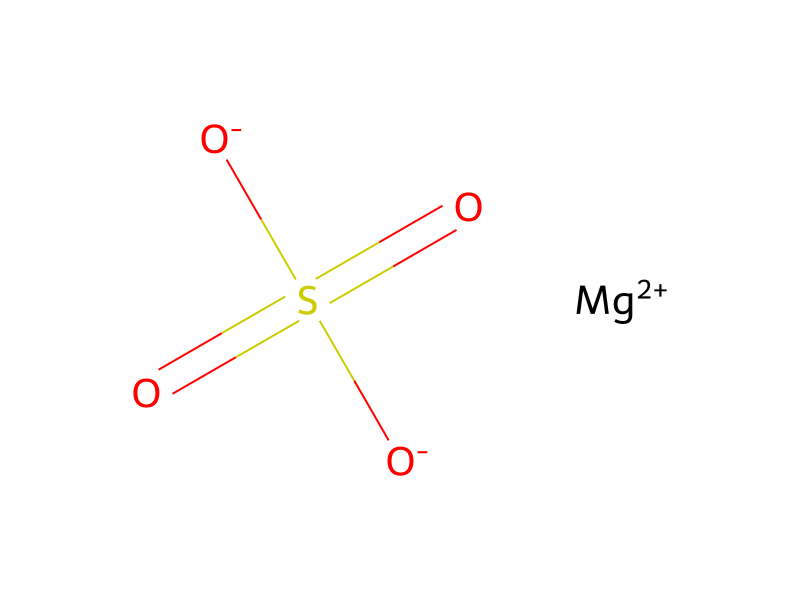
N[C@@H:2]1[CH2:6][CH2:5][N:4]([C:7]([O:9][CH2:10][CH2:11][CH2:12][CH3:13])=[O:8])[CH2:3]1.[CH2:14]=O.S([O-])([O-])(=O)=O.[Mg+2].[C:22]([BH3-])#[N:23].[Na+]>O.C(O)(=O)C.CO>[CH3:14][N:23]([CH3:22])[C@@H:2]1[CH2:6][CH2:5][N:4]([C:7]([O:9][CH2:10][CH2:11][CH2:12][CH3:13])=[O:8])[CH2:3]1Participants
8
Reactant 4



Product 1

Reagents, catalysts & solvents 3



Procedure
To a dried 100 mL single-mouth round bottom flask were added absolute methanol (40 mL), (R)-butyl 3-aminopyrrolidine-1-carboxylate (1.86 g, 1.0 mmol), paraformaldehyde (3 g), anhydrous magnesium sulfate (2.5 g), acetic acid (1.2 g) and sodium cyanoborohydride (2.5 g, 39.8 mmol). The mixture was stirred at room temperature for 24 hr. The reaction system was poured into water to quench, The solution was concentrated under reduced pressure and the residue was extracted with ethyl acetate. The combined organ layer was dried, and was concentrated under reduced pressure to obtain a crude yellow viscous product (3.8 g).
Workup
- customto quench
- concentrationThe solution was concentrated under reduced pressure
- extractionthe residue was extracted with ethyl acetate
- customThe combined organ layer was dried
- concentrationwas concentrated under reduced pressure
Sources & evidence
- ORD record
- ord-cb86e1192081429ea2b6be8007383c3d
- Source dataset
- uspto-grants-2015_02
- Patent number
- US08946279B2
Reaction notes
Loading…