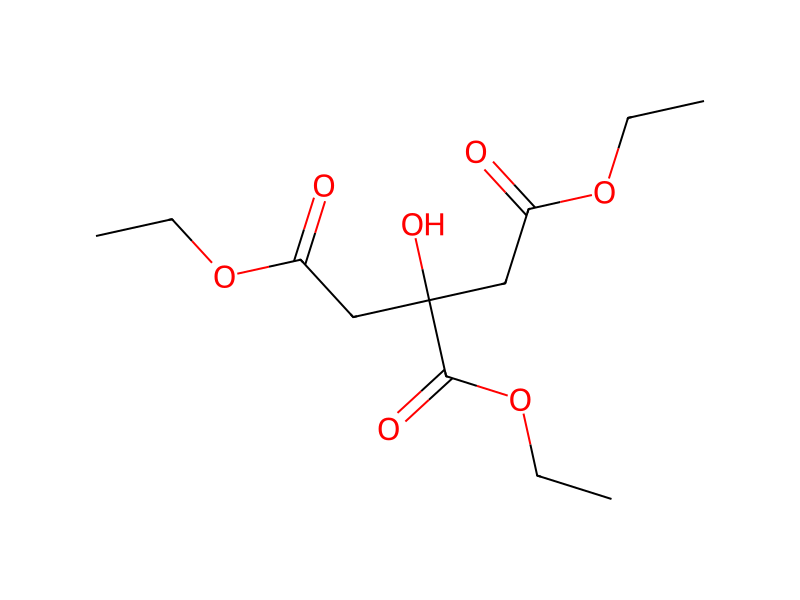
Triethyl Citrate → Diltiazem
Reaction equation

[CH3:1][C:2]([O:4][C@H:5]1[C:15](=[O:16])[N:14]([CH2:17][CH2:18][N:19]([CH3:21])[CH3:20])[C:13]2[CH:12]=[CH:11][CH:10]=[CH:9][C:8]=2[S:7][C@H:6]1[C:22]1[CH:23]=[CH:24][C:25]([O:28][CH3:29])=[CH:26][CH:27]=1)=[O:3].Cl.C(OCC)(=O)CC(CC(OCC)=O)(C(OCC)=O)O.CC(C(OC)=O)=C.CC(O[C@H]1C(=O)N(CCN(C)C)C2C=CC=CC=2S[C@H]1C1C=CC(OC)=CC=1)=O.CC(C(OC)=O)=C.C(OCC)(=O)CC(CC(OCC)=O)(C(OCC)=O)O>>[CH3:1][C:2]([O:4][C@H:5]1[C:15](=[O:16])[N:14]([CH2:17][CH2:18][N:19]([CH3:21])[CH3:20])[C:13]2[CH:12]=[CH:11][CH:10]=[CH:9][C:8]=2[S:7][C@H:6]1[C:22]1[CH:23]=[CH:24][C:25]([O:28][CH3:29])=[CH:26][CH:27]=1)=[O:3]Participants


Procedure
An appropriate amount of Diltiazem HCL, Eudragit® RS PO, and Triethyl Citrate is fed into an extruder hopper. The extruder to be used may have a double screw solids conveying mechanism that extends from the hopper through multiple heating zones to the extrusion nozzle, through the nozzle inlet. The solid mixture may then be passed through the heated extruder at a temperature range of about 75° C. to about 150° C., as determined by the temperature setting of the extruder heating zones so that melting of the Eudragit®RS PO occurred. Prior to exiting the die and while the Diltiazem/Eudragit/Triethly Citrate extrudate remains in the molten state, molten gelatine is fed through a further extruder inlet fed and mixed, whereupon it exits the vibrating nozzle.
Workup
- temperaturethrough multiple heating zones to the extrusion nozzle
- custommay then be passed through the heated extruder at a temperature range of about 75° C. to about 150° C.
- customis fed through a further extruder inlet
- additionmixed, whereupon it
Sources & evidence
- ORD record
- ord-d20939497ee64c1a9d96fc330e68a4d0
- Source dataset
- uspto-grants-2015_02
- Patent number
- US08951570B2
Reaction notes
Loading…