Sodium Carbonate → HCID 58547404, compound
Reaction equation

Cl[C:2]1[C:3]([CH:8]2[CH2:11][N:10]([C:12]([O:14][C:15]([CH3:18])([CH3:17])[CH3:16])=[O:13])[CH2:9]2)=[N:4][CH:5]=[CH:6][N:7]=1.C([O-])([O-])=O.[Na+].[Na+].[CH3:25][O:26][C:27]1[CH:32]=[CH:31][C:30](B(O)O)=[CH:29][CH:28]=1>O1CCOCC1.O.C1C=CC(P(C2C=CC=CC=2)[C-]2C=CC=C2)=CC=1.C1C=CC(P(C2C=CC=CC=2)[C-]2C=CC=C2)=CC=1.Cl[Pd]Cl.[Fe+2]>[C:15]([O:14][C:12]([N:10]1[CH2:11][CH:8]([C:3]2[C:2]([C:30]3[CH:31]=[CH:32][C:27]([O:26][CH3:25])=[CH:28][CH:29]=3)=[N:7][CH:6]=[CH:5][N:4]=2)[CH2:9]1)=[O:13])([CH3:18])([CH3:17])[CH3:16]Participants
7
Reactant 3


Product 1

Reagents, catalysts & solvents 3



Procedure
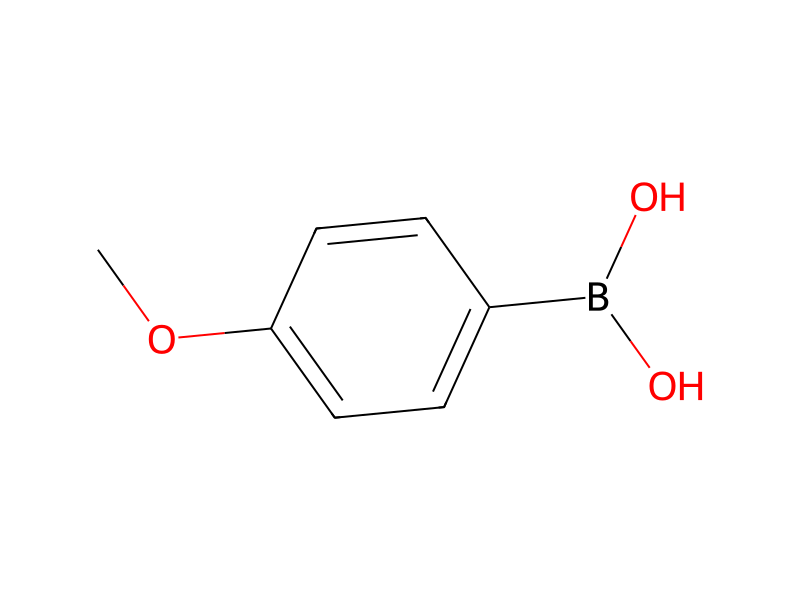
To a solution of 3-(3-chloro-pyrazin-2-yl)-azetidine-1-carboxylic acid tert-butyl ester (7) (100 mg, 0.37 mmol, as prepared in the above Preparation 2) in dioxane (8 mL) was added a solution of Na2CO3 (78 mg, 0.64 mmol) in 0.5 mL water, followed by additional of 4-methoxybenzeneboronic acid (20) (49 mg 0.40 mmol) and Pd(dppf)Cl2 (8 mg). The resulting mixture was heated to reflux overnight under N2 atmosphere. TLC showed that the starting material was consumed completely. The solution was filtered and the filtrate was concentrated to give the residue which was purified by column chromatography on silica gel to give the product compound (21) (120 mg, yield 96%) as solid. ESI-MS (M+1): 342 calc. for C19H23N3O3 341.
Workup
- temperatureThe resulting mixture was heated
- temperatureto reflux overnight under N2 atmosphere
- customwas consumed completely
- filtrationThe solution was filtered
- concentrationthe filtrate was concentrated
- customto give the residue which
- customwas purified by column chromatography on silica gel
Sources & evidence
- ORD record
- ord-0966e5b1f5154fa2b2c7ef25c0f30bba
- Source dataset
- uspto-grants-2015_02
- Patent number
- US08957073B2
Reaction notes
Loading…