Acrylic Acid → Acrylic Acid
Reaction equation

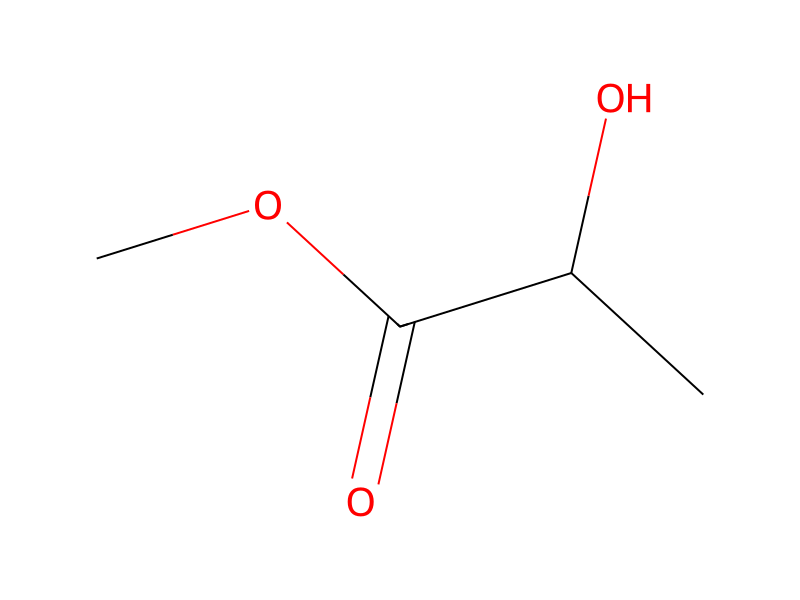
[C:1]([O:6][CH3:7])(=[O:5])[CH:2]([CH3:4])O.C(O)(=O)C=C>>[C:1]([OH:6])(=[O:5])[CH:2]=[CH2:4].[C:1]([O:6][CH3:7])(=[O:5])[CH:2]=[CH2:4]Participants


Procedure
Efficient dehydration of methyl lactate to acrylic acid using Ca3(PO4)2—SiO2 catalyst by Jong-Min Lee et. al (Catalysis Communications, Volume 11, Issue 15, 25 Sep. 2010, Pages 1176-1180) describes a series of catalysts consisting of Ca3(PO4)2 supported on SiO2 (silicate, colloidal silica and fumed silica) and Ca3(PO4)2—SiO2 (silicate) with different loadings of Ca3(PO4)2 (70 to 95 wt. %) was prepared by sol-gel and wet-impregnation methods. All the catalysts were found to be active in the vapor phase dehydration of methyl lactate (ML) to give mainly acrylic acid (AA), methyl acrylate (MA). Among the catalysts, Ca3(PO4)2—SiO2(silicate) of (80:20 wt. %) was found to be an efficient catalyst in the dehydration of Methyl Lactate, which gave 73.6% conversion of Methyl Lactate with selectivity for Acrylic Acid and Methyl Acrylate together (77.1%).
Workup
- customwas prepared by sol-gel and wet-impregnation methods
Sources & evidence
- ORD record
- ord-e71d62384ac24105b5f3904c25308f60
- Source dataset
- uspto-grants-2015_02
- Patent number
- US08957250B2
Reaction notes
Loading…