Sodium Hydroxide → (R)-(5-Bromo-1,2,3,4-tetrahydroisoquinolin-3-yl)methanol
Reaction equation

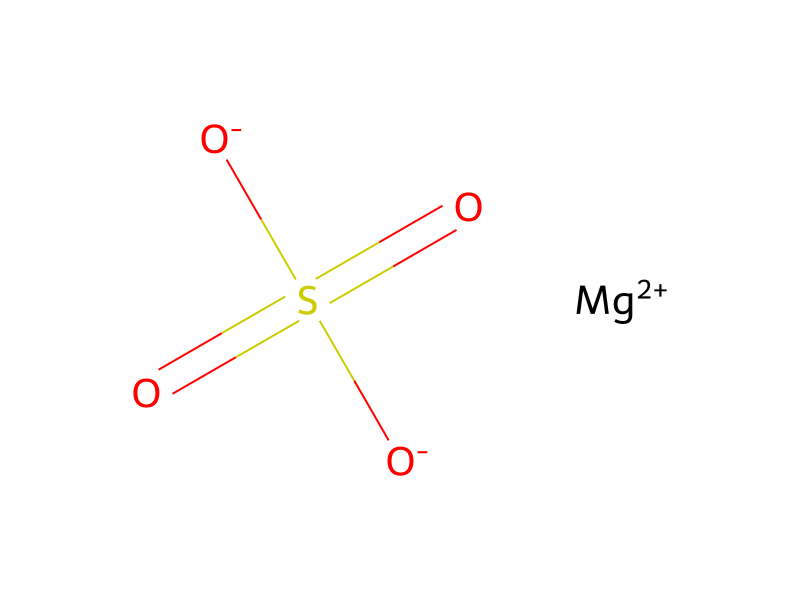
[H-].[Al+3].[Li+].[H-].[H-].[H-].Cl.[Br:8][C:9]1[CH:18]=[CH:17][CH:16]=[C:15]2[C:10]=1[CH2:11][C@H:12]([C:19](O)=[O:20])[NH:13][CH2:14]2.[OH-].[Na+].S([O-])([O-])(=O)=O.[Mg+2]>O1CCCC1.O>[Br:8][C:9]1[CH:18]=[CH:17][CH:16]=[C:15]2[C:10]=1[CH2:11][C@H:12]([CH2:19][OH:20])[NH:13][CH2:14]2Participants
Reactant 4



Product 1

Reagents, catalysts & solvents 2


Conditions
- Temperature
- 25 °C
Procedure
Add lithium aluminum hydride (2 L, 2.00 mol, 1M in THF) to (3R)-5-bromo-1,2,3,4-tetrahydroisoquinoline-3-carboxylic acid hydrochloride (325.4 g, 1.11 mol) in tetrahydrofuran (4.88 L) at −35° C. in an appropriate vessel, then warm to 25° C. over 60 minutes and stir. After 3 hours, cool the mixture to −5° C. then add water (76 mL), 15% w/w aqueous sodium hydroxide (76 mL) and water (228 mL). Heat the mixture to 25° C., add anhydrous magnesium sulfate (750 g) and stir. Filter the mixture and concentrate under reduced pressure to give a solid. Add dichloromethane (690 mL) to the solid and slurry for 30 minutes before filtration to give a solid. Dry the solid under vacuum at 35° C. to give the title compound (148.9 g, 0.55 mol). MS (m/z): 242(M+1 (79Br)), 244(M+1 (81Br)).
Workup
- temperaturecool the mixture to −5° C.
- temperatureHeat the mixture to 25° C.
- stirringstir
- filtrationFilter the mixture
- concentrationconcentrate under reduced pressure
- customto give a solid
- filtrationAdd dichloromethane (690 mL) to the solid and slurry for 30 minutes before filtration
- customto give a solid
- customDry the solid under vacuum at 35° C.
Sources & evidence
- ORD record
- ord-18d3bb271f564c2185ef4e1f33ca7451
- Source dataset
- uspto-grants-2015_02
- Patent number
- US08962654B2
Reaction notes
Loading…