Ethanol → Ethyl N-phenylcarbamate
Reaction equation

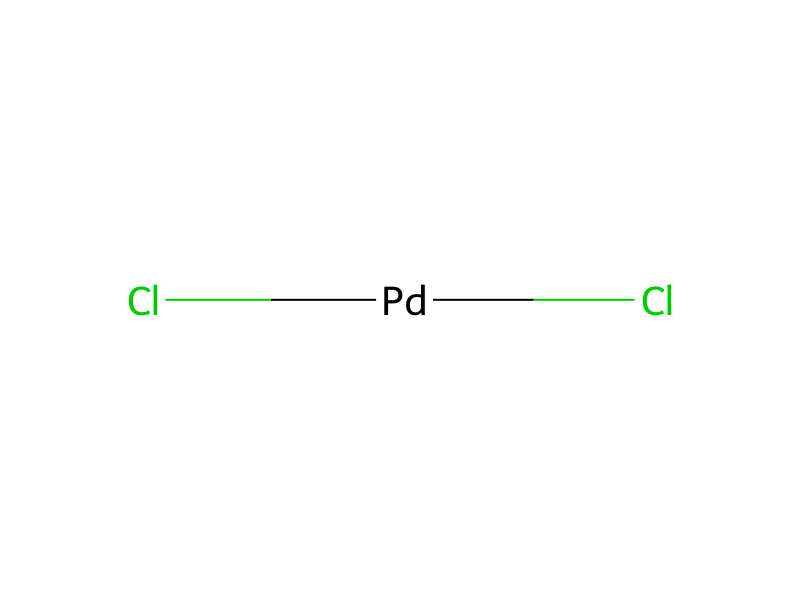
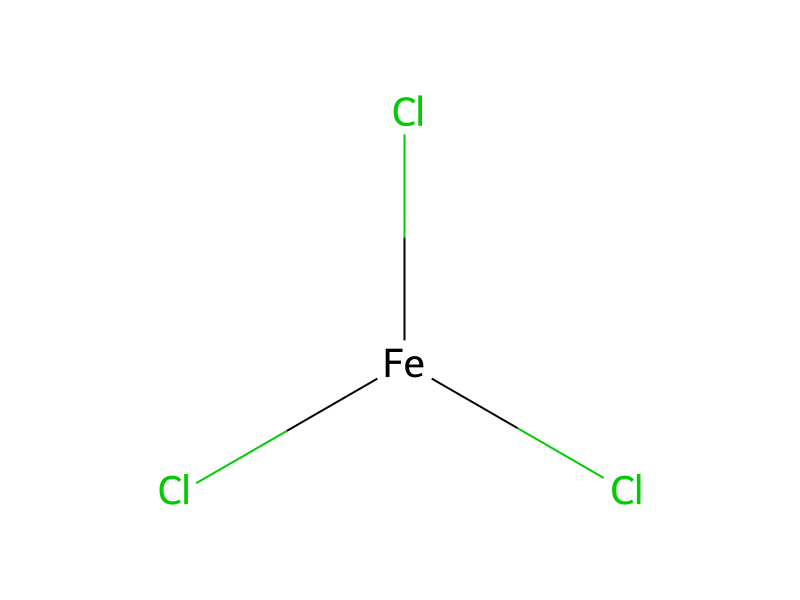
N1[CH:6]=[CH:5]C=CC=1.[N+:7]([C:10]1[CH:15]=[CH:14][CH:13]=[CH:12][CH:11]=1)([O-])=O.[C]=[O:17].[CH2:18]([OH:20])C>[Pd](Cl)Cl.[Fe](Cl)(Cl)Cl>[C:10]1([NH:7][C:18]([O:20][CH2:5][CH3:6])=[O:17])[CH:15]=[CH:14][CH:13]=[CH:12][CH:11]=1Participants
7
Reactant 4



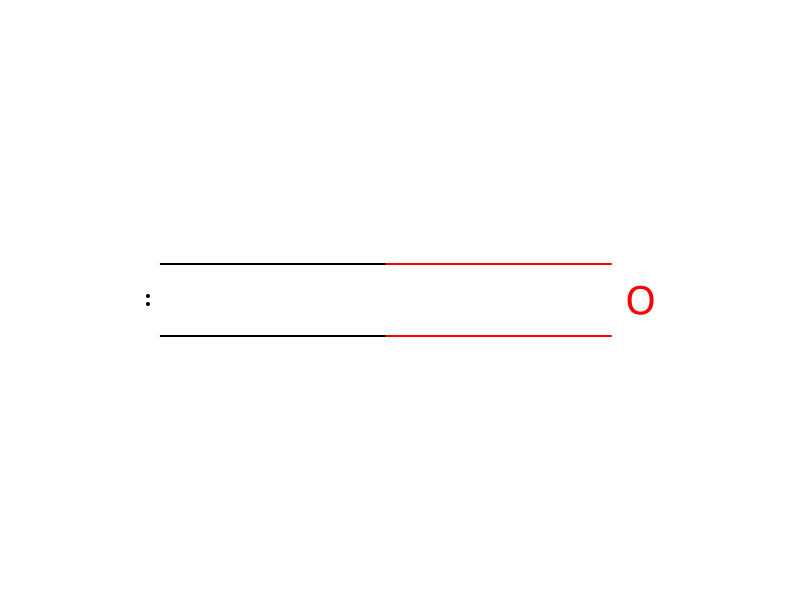
Product 1

Reagents, catalysts & solvents 2
Procedure
A mixture of 0.002% of palladium chloride, 3.5% of iron(III)chloride and 3.3% of pyridine was used as the catalyst system. This procedure corresponds to the procedure described in German Offenlegungsschrift No. 2,603,574 where iron(III)chloride is added as the activating Lewis acid. The reaction of nitrobenzene, ethanol and carbon monoxide to form phenyl urethane was carried out using this catalyst system under the conditions described in Example 4.
Sources & evidence
- ORD record
- ord-f63ce6de1a77444b90023faa5bf58c96
- Source dataset
- uspto-grants-1980_08
- Patent number
- US04219661
Reaction notes
Loading…