Benzene → 2-Phenylpropanal
Reaction equation

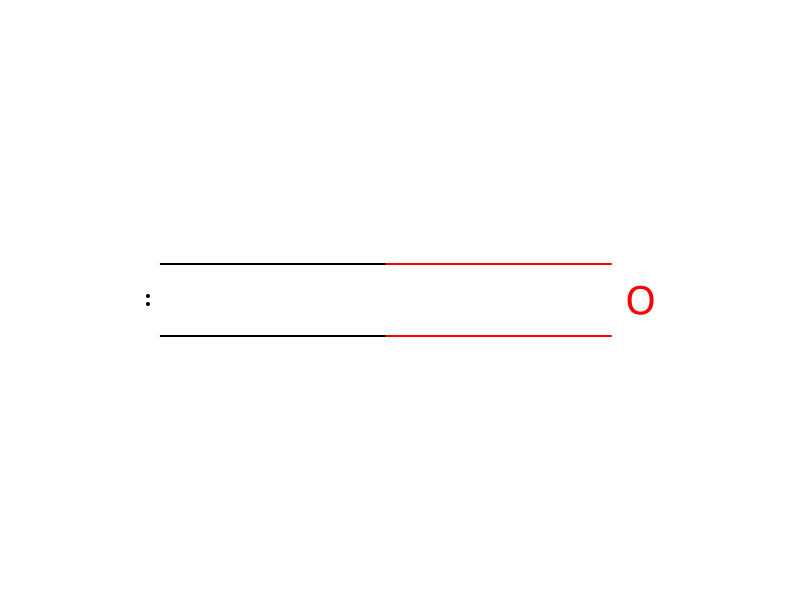
[CH2:1]=[CH:2][C:3]1C=CC=CC=1.[C]=[O:10].[H][H].[CH:13]1[CH:18]=[CH:17][CH:16]=[CH:15][CH:14]=1>[Rh]>[CH3:1][CH:2]([C:13]1[CH:18]=[CH:17][CH:16]=[CH:15][CH:14]=1)[CH:3]=[O:10].[CH:3](=[O:10])[CH2:2][CH2:1][C:13]1[CH:18]=[CH:17][CH:16]=[CH:15][CH:14]=1Participants
Reactant 4



Product 2


Reagents, catalysts & solvents 1
Procedure
Into a 50-ml stainless-steel autoclave were introduced 61 mg of the rhodium complex synthesized in Example 4 (containing 0.0031 mmol of rhodium), 0.71 ml (6.20 mmol) of styrene, and 0.35 ml of benzene. The contents were stirred at 60° C. for 12 hours in an atmosphere of 10 atm carbon monoxide and 10 atm hydrogen. A small portion of the reaction mixture was taken out and filtered to remove the catalyst. This reaction mixture was analyzed by 1H NMR spectrometry to determine the conversion. As a result, the conversion was found to be 99%. The proportion of the α-methylphenylacetaldehyde to dihydrocinnamaldehyde yielded (regioselectivity) was 89:11. These reaction products were converted to carboxylic acids by Jones oxidation, and then analyzed by GC using a chiral column (Chrompack Cp-Cyclodex β-236M) to determine the enantiomer excess. As a result, the enantiomer excess was found to be 89% ee.
Workup
- filtrationfiltered
- customto remove the catalyst
Sources & evidence
- ORD record
- ord-4ebdab4333b545a2ae91d43bd33c4f93
- Source dataset
- uspto-grants-2000_11
- Patent number
- US06143834
Reaction notes
Loading…