Oxalic Acid → 5,6,7-Trifluoro-1,4-dihydro-2,3-quinoxalinedione
Reaction equation

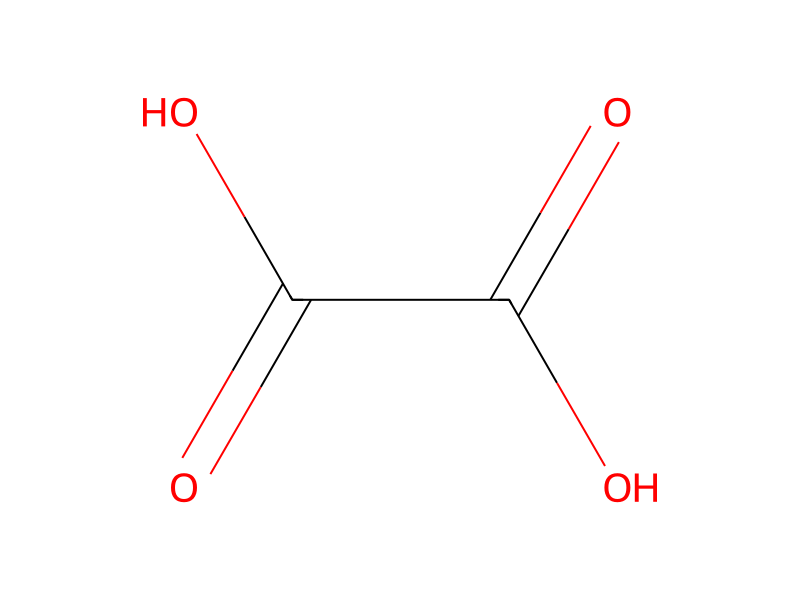
[F:1][C:2]1[C:3]([NH2:11])=[C:4]([NH2:10])[CH:5]=[C:6]([F:9])[C:7]=1[F:8].[C:12](O)(=[O:16])[C:13](O)=[O:14]>Cl>[F:1][C:2]1[C:7]([F:8])=[C:6]([F:9])[CH:5]=[C:4]2[C:3]=1[NH:11][C:12](=[O:16])[C:13](=[O:14])[NH:10]2Participants
4
Reactant 2

Product 1

Reagents, catalysts & solvents 1

Procedure
To a brown solution of 3,4,5-trifluoro-1,2-phenylenediamine (285 mg, 1.75 mmol) in aqueous 2N HCl (10 mL) is added oxalic acid (221 mg, 1,75 mmol). The brown mixture is brought to reflux and stirred under N2 overnight. The mixture is filtered to yield 139 mg (37%) of crude title compound. An analytical sample is prepared by dissolving 42 mg of this brown powder in 2.5 mL-boiling ethanol. Upon cooling, brown, rod-like, crystals are formed, which are filtered and dried in vacuo to-yield 15 mg (36%) of pure title compound: 1H NMR (DMSO-d6), 6.91 (m, 1H), 12.02 (s, 1H), 12.19 (s, 1H); analysis calculated for C8H3F3N2O2 : C, 44.46; H, 1.40; N, 12.96. Found: C, 44.42; H, 1.16; N, 12.76.
Workup
- temperatureto reflux
- filtrationThe mixture is filtered
Sources & evidence
- ORD record
- ord-081299d0d44e4731ac4301e56c87bcea
- Source dataset
- uspto-grants-2000_11
- Patent number
- US06147075
Reaction notes
Loading…