Acetaldehyde → Ethyl 2-ethylamino-3-(4-hydroxyphenyl)propionate
Reaction equation

Cl.[CH2:2]([O:4][C:5](=[O:16])[CH:6]([CH2:8][C:9]1[CH:14]=[CH:13][C:12]([OH:15])=[CH:11][CH:10]=1)[NH2:7])[CH3:3].[CH:17](=O)[CH3:18].C([BH3-])#N.[Na+]>>[CH2:17]([NH:7][CH:6]([CH2:8][C:9]1[CH:10]=[CH:11][C:12]([OH:15])=[CH:13][CH:14]=1)[C:5]([O:4][CH2:2][CH3:3])=[O:16])[CH3:18]Participants
4
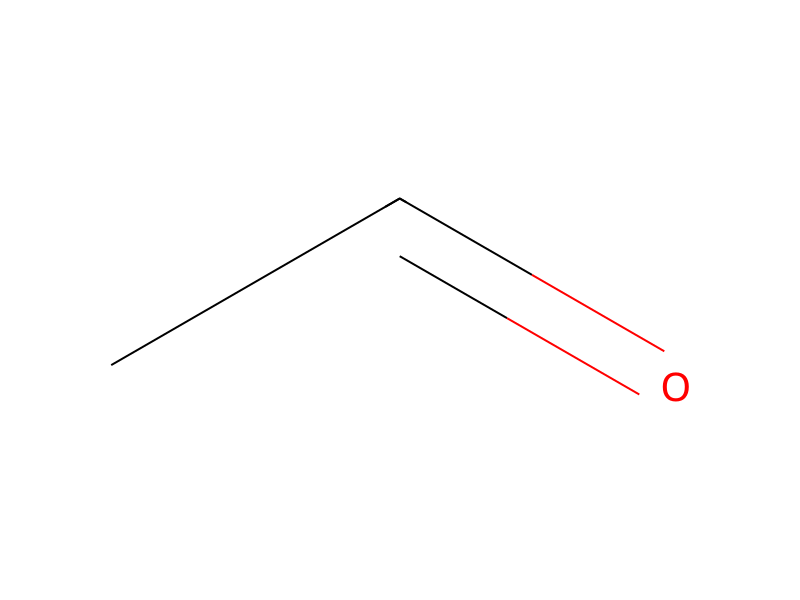



Procedure
In a similar manner to that described in Reference example 9, a reaction was carried out using DL-tyrosine ethyl ester hydrochloride (983 mg), acetaldehyde (0.26 ml) and sodium cyanoborohydride (100 mg) and the reaction mixture was treated to afford the desired compound (515 mg) as a syrup which was allowed to stand to give crystals.
Workup
- additionthe reaction mixture was treated
Sources & evidence
- ORD record
- ord-7f3a2c83cdcb4bf083886661e213dc86
- Source dataset
- uspto-grants-2003_03
- Patent number
- US06528525B1
Reaction notes
Loading…