Potassium Carbonate → 1-(6-Chloro-2-pyridinyloxy)-3,3-dimethyl-2-butanone
Reaction equation

[OH:1][C:2]1[CH:7]=[CH:6][CH:5]=[C:4]([Cl:8])[N:3]=1.C(=O)([O-])[O-].[K+].[K+].Br[CH2:16][C:17](=[O:22])[C:18]([CH3:21])([CH3:20])[CH3:19]>C(#N)C>[Cl:8][C:4]1[N:3]=[C:2]([O:1][CH2:16][C:17](=[O:22])[C:18]([CH3:21])([CH3:20])[CH3:19])[CH:7]=[CH:6][CH:5]=1Participants
5
Reactant 3

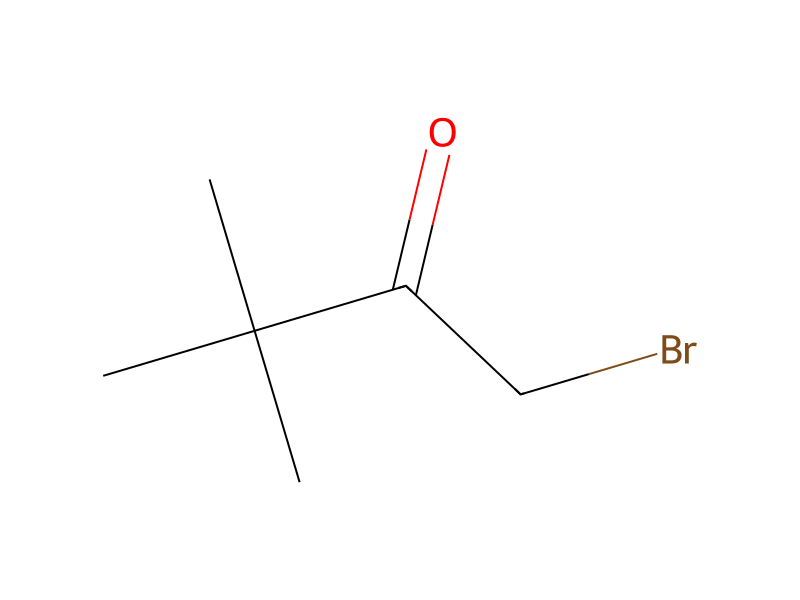

Product 1

Reagents, catalysts & solvents 1

Procedure
To a stirred mixture of 400 g (3.09 moles) of 2-hydroxy-6-chloropyridine and 450 g (3.26 moles) potassium carbonate in 3000 ml acetonitrile was added 551 g (3.08 moles) 1-bromo-3,3-dimethyl-2-butanone. The reaction mixture was stirred at 45°-50° C. for 1.5 hours and then filtered. The solids were washed several times with acetonitrile, the filtrate dried (MgSO4) and the solvent evaporated. Crystallization of the residue from pentane gave 610 g (87% yield) of 1-(6-chloro-2-pyridinyloxy)-3,3-dimethyl-2-butanone. A second recrystallization from pentane gave product melting at 43°-44.5° C.
Workup
- filtrationfiltered
- washThe solids were washed several times with acetonitrile
- dry with materialthe filtrate dried (MgSO4)
- customthe solvent evaporated
- customCrystallization of the residue from pentane
Sources & evidence
- ORD record
- ord-2ce76e3f464041f28eeacf1e24050afd
- Source dataset
- uspto-grants-1979_09
- Patent number
- US04166854
Reaction notes
Loading…