2-Naphthalenesulfonyl chloride → HCID 68551185, compound
Reaction equation

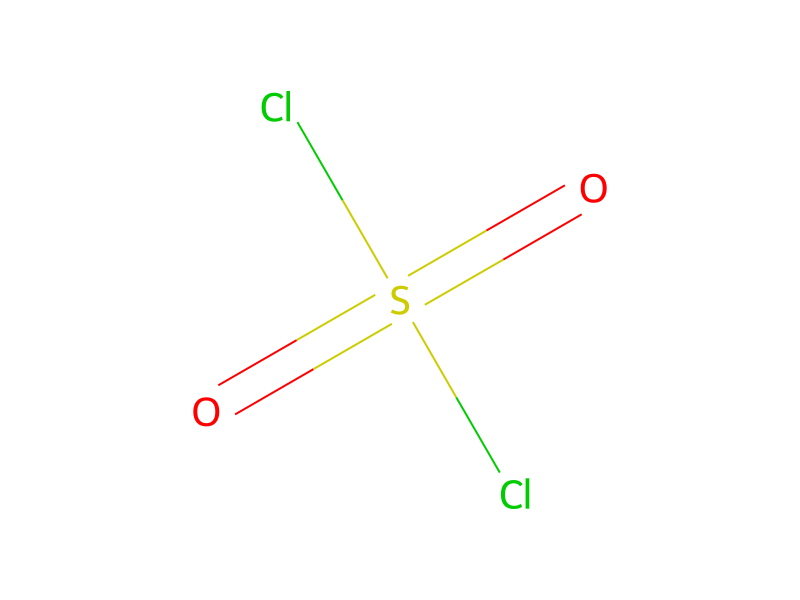
[Cl:1][C:2]1[C:3]([N:8]2[CH2:13][CH2:12][NH:11][CH2:10][CH2:9]2)=[N:4][CH:5]=[CH:6][CH:7]=1.[CH:14]1[C:23]2[C:18](=[CH:19][CH:20]=[CH:21][CH:22]=2)[CH:17]=[CH:16][C:15]=1[S:24](Cl)(=[O:26])=[O:25].S(Cl)(Cl)(=O)=O.C(N(C(C)C)CC)(C)C>ClCCl>[Cl:1][C:2]1[C:3]([N:8]2[CH2:9][CH2:10][N:11]([S:24]([C:15]3[CH:16]=[CH:17][C:18]4[C:23](=[CH:22][CH:21]=[CH:20][CH:19]=4)[CH:14]=3)(=[O:26])=[O:25])[CH2:12][CH2:13]2)=[N:4][CH:5]=[CH:6][CH:7]=1Participants
6





Procedure
Sulfonylation of 1-(3-chloropyridin-2-yl)piperazine (632 mg, 3.2 mmol) with naphthalene-2-sulfonyl chloride (725 mg, 3.2 mmol) was carried out according to a similar procedure described for example 2A (except that the sulfonyl chloride was added before the diisopropylethylamine) using anhydrous dichloromethane (10 mL) as solvent and diisopropylethylamine (1.4 mL, 8.0 mmol) as base. 1-(3-chloropyridin-2-yl)-4-(2-naphthylsulfonyl)piperazine was obtained in 17.0% yield (210.2 mg) as white solid.
Sources & evidence
- ORD record
- ord-11848e2897564bbbb05b3b2802b9f0cc
- Source dataset
- uspto-grants-2009_12
- Patent number
- US07632838B2
Reaction notes
Loading…