Water → 5-Methoxy-4-oxo-4H-pyran-2-carboxylic acid
Reaction equation

[OH:1][CH2:2][C:3]1[O:4][CH:5]=[C:6]([O:10][CH3:11])[C:7](=[O:9])[CH:8]=1.[OH2:12].[OH-].[Na+]>CO.[O-2].[O-2].[Mn+4].[Ag]=O>[CH3:11][O:10][C:6]1[C:7](=[O:9])[CH:8]=[C:3]([C:2]([OH:12])=[O:1])[O:4][CH:5]=1Participants
Reactant 3



Product 1

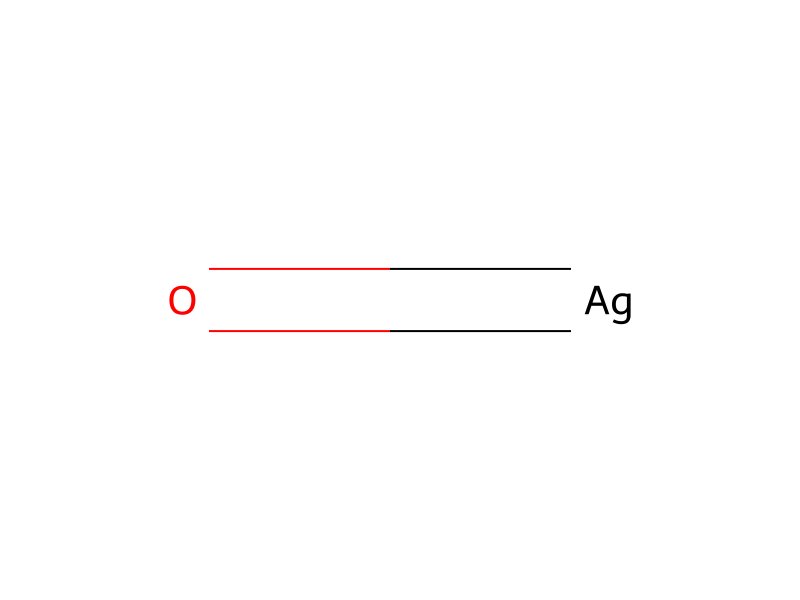
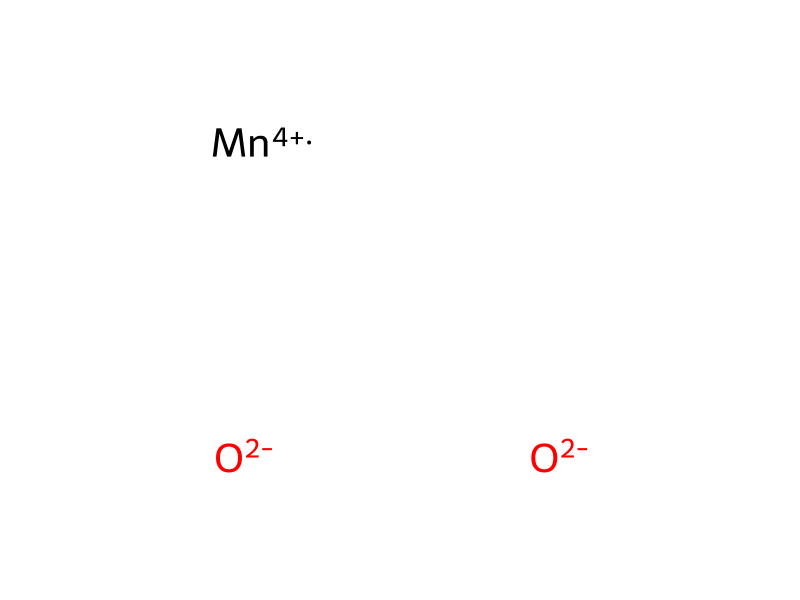
Reagents, catalysts & solvents 3

Procedure
In a 250 ml four-necked round-bottom flask kept under an argon atmosphere, 3.2 g of kojic acid (1 equiv.) were dissolved in 80 ml of methanol. Sodium methoxide in methanolic solution (4.6 ml, 1.1 equiv.; Fluka, 5.4 M) was then added under magnetic stirring in one portion. After 15 minutes, a solution of 2.95 ml (1.1 equiv.) of methyl iodide in 10 ml of CH3OH was added dropwise thereto and the resulting solution was allowed to react at room temperature. The reaction course was followed by TLC (dichloromethane/methanol 9/1 as the eluent). After 7 hours the conversion was approximately 50%, therefore another 1.1 equivalent of CH3I (2.95 ml in 10 ml of CH3OH) was added. The reaction mixture was then reacted under stirring at room temperature for an additional 65 hours after which water (400 ml) was added. The solution was concentrated to a residual volume of ca. 25-30 ml and left at 4° C. for 14 h. The resulting precipitate was collected by filtration, washed with diethyl ether and dried under vacuum at 50° C. 2-Hydroxymethyl-5-methoxy-4-pyranone was recovered as a yellow crystalline solid (2.2 g, yield 63%). ii. In a 250 ml round-bottom flask, 2-hydroxymethyl-5-methoxy-4-pyranone (2.2 g, 1 equiv.) was dissolved in 85 ml of methanol and 19.6 g of active manganese dioxide were added (16 equiv.). The reaction mixture was heated under reflux for 1.5 h, then cooled to room temperature. The insoluble part was filtered out and the remaining filtrate solution was concentrated to ca. a third of the initial volume. To this, 30 ml of water, 10 ml of NaOH 1 N and 3.3 g of silver oxide (1 equiv.) were added. The resulting mixture was reacted for 1 h at room temperature and was then filtered over a celite pad to eliminate salts. The filtrate was concentrated under reduced pressure to remove methanol therefrom and then washed with dichloromethane. Subsequently HCl 2 N (12 ml) was added to the water-soluble phase to form a precipitate which was collected by filtration, washed with diethyl ether and dried under vacuum at 50° C. 5-Methoxy-4-oxo-4H-pyran-2-carboxylic acid was obtained as a white solid (1.2 g, 50% yield). ii. Under an argon atmosphere, a 100 ml three-necked round-bottom flask was charged with 5-methoxy-4-oxo-4H-pyran-2-carboxylic acid (340 mg, 1 equiv.) and 5-methoxytryptamine hydrochloride (500 mg, 1.1 equiv.), dissolved in DMF (15 ml), and brought to 0° C. by means of an ice-bath. HOBt (1-hydroxybenxotriazole monohydrate, 300 mg, 1.1 equiv.), EDC (1-(3-dimethylaminopropyl)-3-ethylcarbodiimide hydrochloride, 425 mg, 1.1 equiv.) and triethylamine (0.98 ml, 3.5 equiv.) were then added under magnetic stirring. The mixture was stirred for an additional 15 minutes at 0° C. and subsequently allowed to react for 16 h at room temperature. The reaction course was followed by HPLC-MS. Water (25 ml) was then added and the mixture was extracted with dichloromethane (2×30 ml). After a while a suspension appeared in the combined organic phases. The so-formed solid was then collected by filtration, washed with dichloromethane and dried at 50° C. The product was recovered as a white solid (210 mg). From the filtrate, the solvent was removed by rotary evaporation. The obtained solid residue was triturated with dichloromethane/petroleum ether and allowed to stand at room temperature for 24 h. The mixture was then filtered to furnish additional N-[2-(5-methoxy-indol-3-yl)-ethyl]-2-methoxy-commenamide (70 mg, 42% yield).
Workup
- temperatureThe reaction mixture was heated
- temperatureunder reflux for 1.5 h
- filtrationThe insoluble part was filtered out
- concentrationthe remaining filtrate solution was concentrated
- customThe resulting mixture was reacted for 1 h at room temperature
- filtrationwas then filtered over a celite pad
- concentrationThe filtrate was concentrated under reduced pressure
- customto remove methanol
- washwashed with dichloromethane
- additionSubsequently HCl 2 N (12 ml) was added to the water-soluble phase
- customto form a precipitate which
- filtrationwas collected by filtration
- washwashed with diethyl ether
- customdried under vacuum at 50° C
Sources & evidence
- ORD record
- ord-afa586b8f1234d678fb8c156ea335725
- Source dataset
- uspto-grants-2009_12
- Patent number
- US07635710B2
Reaction notes
Loading…