Hydrochloric Acid → 5,8-Difluoroquinolin-2(1H)-one
Reaction equation

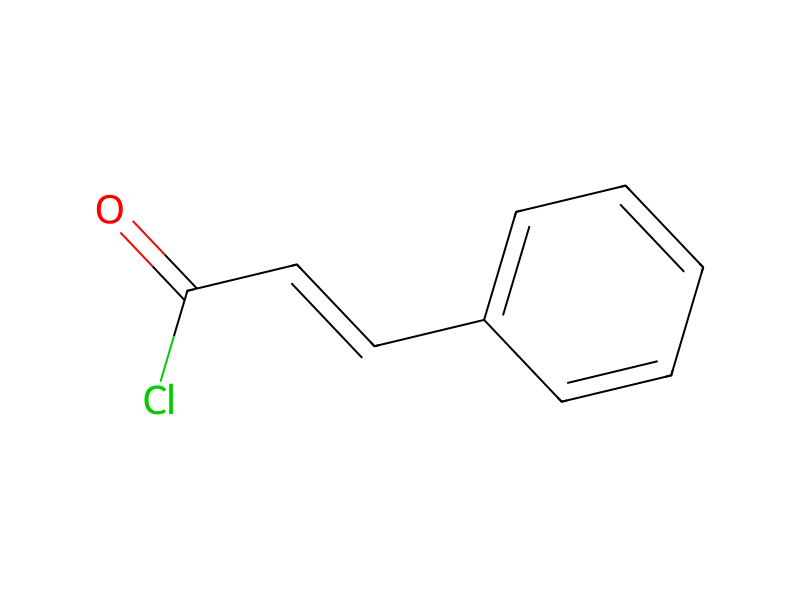
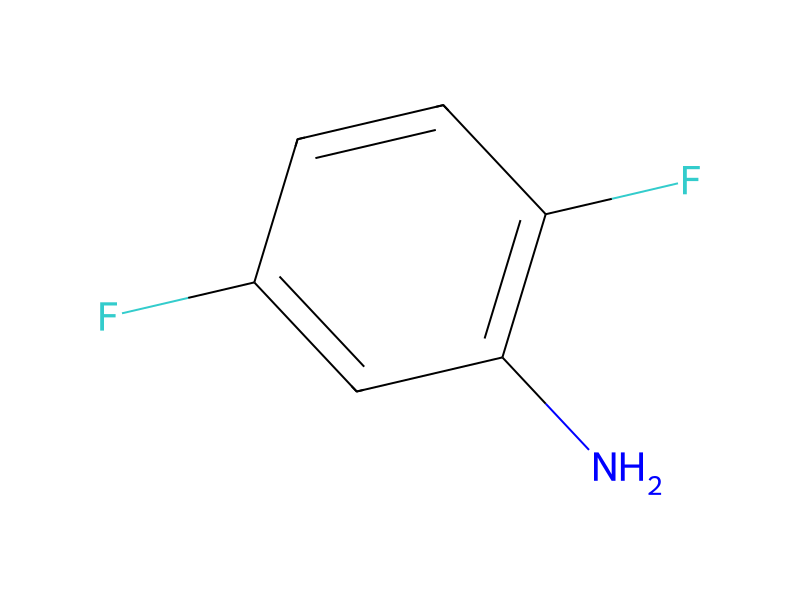
[F:1][C:2]1[CH:8]=[CH:7][C:6]([F:9])=[CH:5][C:3]=1[NH2:4].[C:10](Cl)(=[O:19])[CH:11]=[CH:12]C1C=CC=CC=1.Cl.[Cl-].[Al+3].[Cl-].[Cl-]>ClCCl.N1C=CC=CC=1>[F:9][C:6]1[CH:7]=[CH:8][C:2]([F:1])=[C:3]2[C:5]=1[CH:12]=[CH:11][C:10](=[O:19])[NH:4]2Participants





Procedure
10 g of 2,5-difluoroaniline and 6 g of pyridine in 350 ml of dichloromethane are mixed drop by drop at 0° C. with 12.9 g of cinnamic acid chloride and stirred until conversion is completed at 0° C. The batch is added to 2N hydrochloric acid, and it is extracted with dichloromethane. It is washed with water, dried with sodium sulfate and concentrated by evaporation in a vacuum. The solid that is obtained is mixed with 11.1 g of aluminum chloride and heated for 8 hours to 150° C. After chromatography on silica gel, 2.9 g of 5,8-difluoroquinolin-2(1H)-one is obtained. The latter is reacted in 100 ml of ethylene glycol in the presence of 780 mg of copper(II) oxide for 20 hours at 200° C. in ammonia atmosphere at 60 bar. After chromatography on silica gel, in this case 5-amino-8-fluoroquinolin-2(1H)-one is obtained as fraction A and 2,5-diamino-8-fluoroquinoline is obtained as fraction B.
Workup
- customis completed at 0° C
- extractionis extracted with dichloromethane
- washIt is washed with water
- dry with materialdried with sodium sulfate
- concentrationconcentrated by evaporation in a vacuum
- customThe solid that is obtained
- temperatureheated for 8 hours to 150° C
Sources & evidence
- ORD record
- ord-c10fa4fd7e7940e391711e0aad5b1754
- Source dataset
- uspto-grants-2009_12
- Patent number
- US07638515B2
Reaction notes
Loading…