Dicyclohexylcarbodiimide → HCID 178463103, compound
Reaction equation

[CH3:1][CH:2]1[C:11]2[C:6](=[C:7]([CH3:16])[CH:8]=[C:9]([C:13]([OH:15])=O)[C:10]=2[CH3:12])[S:5](=[O:18])(=[O:17])[CH2:4][CH2:3]1.[CH2:19]([N:21]1[C:25]([OH:26])=[CH:24][CH:23]=[N:22]1)[CH3:20].C1(N=C=NC2CCCCC2)CCCCC1.C(=O)([O-])[O-].[K+].[K+]>C(O)(CC)(C)C>[CH3:1][CH:2]1[C:11]2[C:6](=[C:7]([CH3:16])[CH:8]=[C:9]([C:13]([C:24]3[CH:23]=[N:22][N:21]([CH2:19][CH3:20])[C:25]=3[OH:26])=[O:15])[C:10]=2[CH3:12])[S:5](=[O:18])(=[O:17])[CH2:4][CH2:3]1Participants




Procedure
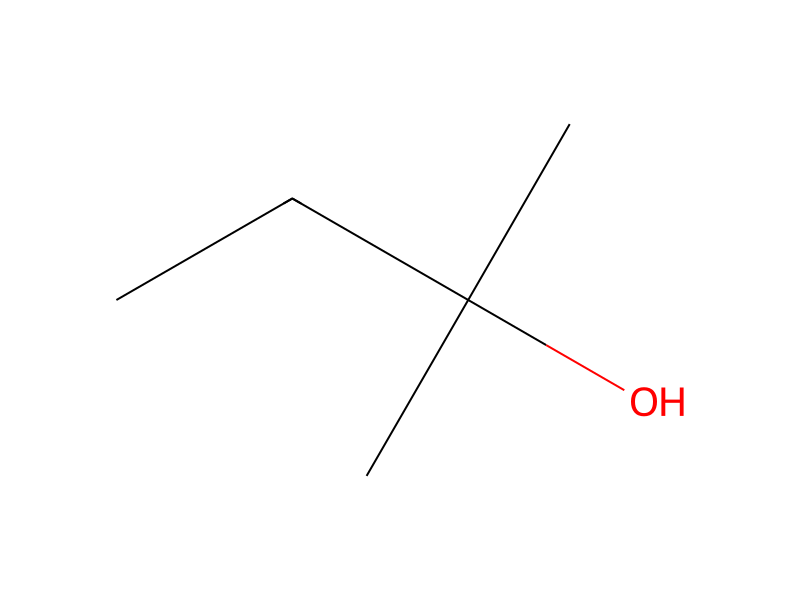
A 50-ml eggplant type flask was charged with 0.76 g (2.8 mmol) of 4,5,8-trimethylthiochroman-6-carboxylic acid-1,1-dioxide, 0.35 g (2.1 mmol, 1.1 equivalents) of 1-ethyl-5-hydroxypyrazole and 5 ml of t-amyl alcohol, and a solution of 0.70 g (3.4 mmol, 1.2 equivalents) of N,N'-dicyclohexylcarbodiimide (DCC) in 5 ml of t-amyl alcohol was added at room temperature. The mixture was allowed to react at room temperature for 2 hours, then, 0.58 g (2.8 mmol, 1.5 equivalents) of potassium carbonate was added, and the mixture was allowed to react at 100° C. for 6 hours. The solvent was distilled off, the residue was distributed into 30 ml of water and 30 ml of ethyl acetate, and a DCC urea material as an insoluble material was separated by filtration. An organic layer was extracted with 10 ml of a 5% potassium carbonate aqueous solution twice. The aqueous layers were combined and acidified with concentrated hydrochloric acid and thereafter extracted with ethyl acetate. The extract was washed with a saturated sodium chloride aqueous solution and dried over sodium sulfate, and the solvent was distilled off to give 0.77 g of a crude product. The crude product was recrystallized from ethanol to give 0.52 g (yield 51%) of 4,5,8-trimethyl-6-(1-ethyl-5-hydroxypyrazol-4-yl)carbonylthiochroman-1,1-dioxide (Compound No. 44).
Workup
- customto react at room temperature for 2 hours
- customto react at 100° C. for 6 hours
- distillationThe solvent was distilled off
- customa DCC urea material as an insoluble material was separated by filtration
- extractionAn organic layer was extracted with 10 ml of a 5% potassium carbonate aqueous solution twice
- extractionextracted with ethyl acetate
- washThe extract was washed with a saturated sodium chloride aqueous solution
- dry with materialdried over sodium sulfate
- distillationthe solvent was distilled off
- customto give 0.77 g of a crude product
- customThe crude product was recrystallized from ethanol
Sources & evidence
- ORD record
- ord-106f93f4ff6e4957ba7d591588062e57
- Source dataset
- uspto-grants-2000_08
- Patent number
- US06103668
Reaction notes
Loading…