Hydrochloric Acid → 4-Nonylphenol
Reaction equation

[CH2:1]1[O:3][CH2:2]1.[CH2:4]([C:13]1(O)[CH2:18]CC[CH2:15][CH2:14]1)[CH2:5][CH2:6][CH2:7][CH2:8][CH2:9][CH2:10][CH2:11][CH3:12].Cl>O>[CH3:12][CH2:11][CH2:10][CH2:9][CH2:8][CH2:7][CH2:6][CH2:5][CH2:4][C:13]1[CH:14]=[CH:15][C:1]([OH:3])=[CH:2][CH:18]=1Participants
5
Reactant 3

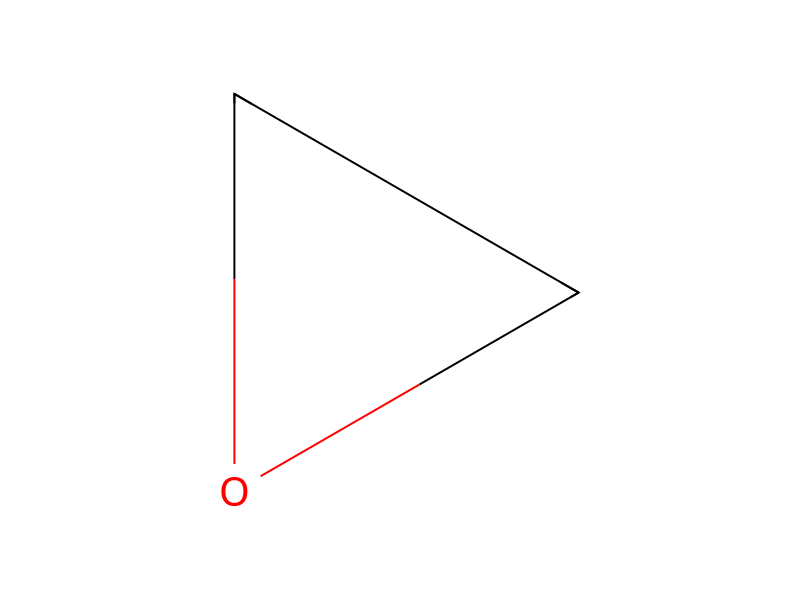

Product 1

Reagents, catalysts & solvents 1

Procedure
The resulting 292.4 grams of NCH-1.5 was then mixed with 1.9 grams CaO in an autoclave and reacted with 220 grams of ethylene oxide (EO) fed into the autoclave over a six-hour period at a temperature of 150° C. and a pressure of 50 psi. Pressure and temperature were controlled by EO charge rate and rate of flow of cooling water. After all the oxide was charged, the reaction was held for one hour and the autoclave was placed under a 50 mm vacuum for thirty minutes and the vacuum was broken with nitrogen. The resulting 5 mole ethoxylate of nonylcyclohexyl alcohol (NCH-5 pk) was then cooled to 50° C. and the catalyst was neutralized with HCl to a pH balance between 6 and 7, inclusive.
Workup
- waitfed into the autoclave over a six-hour period at a temperature of 150° C.
- waitthe autoclave was placed under a 50 mm vacuum for thirty minutes
Sources & evidence
- ORD record
- ord-5e73f9c54b504afe8c8e96725e769ece
- Source dataset
- uspto-grants-2000_08
- Patent number
- US06111146
Reaction notes
Loading…