Hydroxylamine HCl → HCID 57749227, compound
Reaction equation

[N+:1]([C:4]1[CH:5]=[C:6]([CH:15]=[CH:16][CH:17]=1)[O:7][C:8]1[CH:13]=[CH:12][N:11]=[C:10]([NH2:14])[CH:9]=1)([O-:3])=[O:2].[N:18]([C:21](OCC)=O)=C=S.[Cl-].O[NH3+].C([N:32](CC)C(C)C)(C)C>CO.C(O)C.CS(C)=O>[N+:1]([C:4]1[CH:5]=[C:6]([CH:15]=[CH:16][CH:17]=1)[O:7][C:8]1[CH:13]=[CH:12][N:11]2[N:32]=[C:21]([NH2:18])[N:14]=[C:10]2[CH:9]=1)([O-:3])=[O:2]Participants
8
Reactant 4
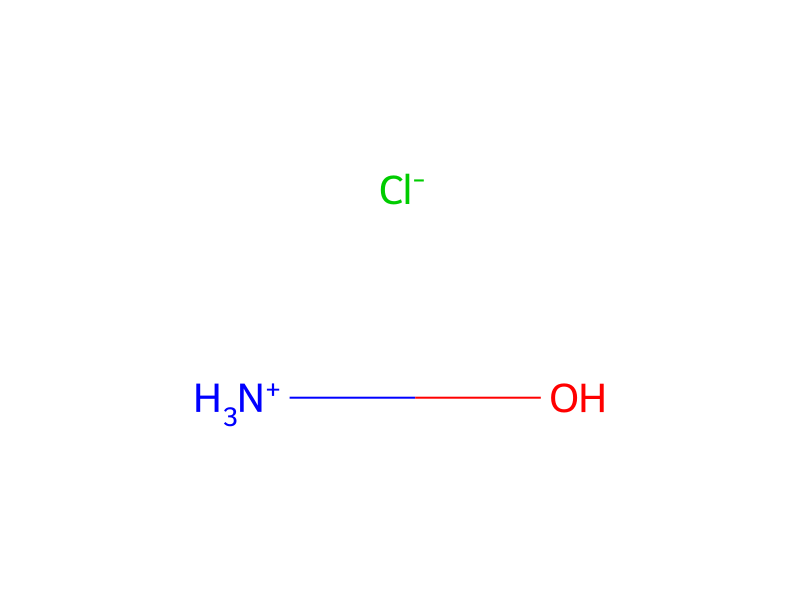



Product 1

Reagents, catalysts & solvents 3



Procedure
In the same manner as in Example 17-1 and using 4-(3-nitrophenoxy)pyridin-2-amine (250 mg, 1.08 mmol), ethyl isothiocyanatoformate (184 mg, 1.41 mmol), DMSO (5 mL), hydroxylammonium chloride (525 mg, 7.56 mmol), N,N-diisopropylethylamine (940 μL, 5.40 mmol), ethanol (10 mL) and methanol (10 mL) as starting materials, the title compound (113 mg, 39%) was obtained as a white solid.
Sources & evidence
- ORD record
- ord-f3129e321dbd4e719361494fdcc51fbf
- Source dataset
- uspto-grants-2012_11
- Patent number
- US08304557B2
Reaction notes
Loading…