Bromine → 5-Bromo-2,3-dihydro-2,2-dimethylbenzofuran-7-carboxylic acid
Reaction equation

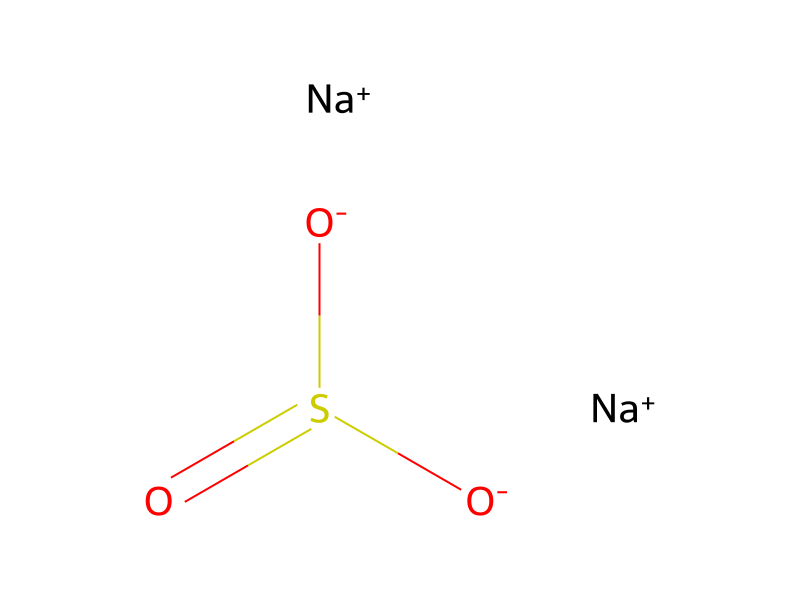
[Br:1]Br.[CH3:3][C:4]1([CH3:16])[CH2:8][C:7]2[CH:9]=[CH:10][CH:11]=[C:12]([C:13]([OH:15])=[O:14])[C:6]=2[O:5]1.S([O-])([O-])=O.[Na+].[Na+]>C(O)(=O)C>[Br:1][C:10]1[CH:11]=[C:12]([C:13]([OH:15])=[O:14])[C:6]2[O:5][C:4]([CH3:16])([CH3:3])[CH2:8][C:7]=2[CH:9]=1Participants
5




Procedure
Using a dropping funnel, bromine (0.8 mL, 15.6 mmol) in acetic acid (6 mL) was added to a solution of 2,2-dimethyl-2,3-dihydrobenzofuran-7-carboxylic acid (1 g, 5.20 mmol) in acetic acid at 0° C. The reaction was allowed to warm to room temperature and stirred overnight. A 2M solution of sodium sulfite was added until all of the red color disappeared. The volatiles were removed in vacuo and dichloromethane was added and the layers separated. The organic phase was washed with water and brine, dried over sodium sulfate, filtered and concentrated in vacuo to yield 5-bromo-2,2-dimethyl-2,3-dihydrobenzofuran-7-carboxylic acid (667).
Workup
- customThe volatiles were removed in vacuo and dichloromethane
- additionwas added
- customthe layers separated
- washThe organic phase was washed with water and brine
- dry with materialdried over sodium sulfate
- filtrationfiltered
- concentrationconcentrated in vacuo
Sources & evidence
- ORD record
- ord-dfaa9e1b48634eb7b1035555b03c3415
- Source dataset
- uspto-grants-2012_11
- Patent number
- US08309600B2
Reaction notes
Loading…