Aniline → 6-bromo-N-phenylimidazo[1,2-a]pyridine-2-carboxamide
Reaction equation

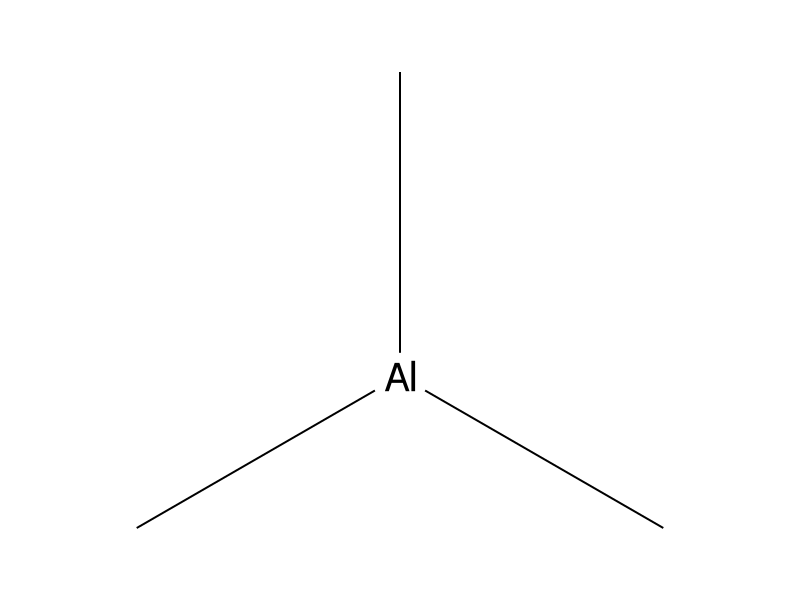
[NH2:1][C:2]1[CH:7]=[CH:6][CH:5]=[CH:4][CH:3]=1.C[Al](C)C.[Br:12][C:13]1[CH:14]=[CH:15][C:16]2[N:17]([CH:19]=[C:20]([C:22](OCC)=[O:23])[N:21]=2)[CH:18]=1.[Cl-].[NH4+]>C1(C)C=CC=CC=1>[Br:12][C:13]1[CH:14]=[CH:15][C:16]2[N:17]([CH:19]=[C:20]([C:22]([NH:1][C:2]3[CH:7]=[CH:6][CH:5]=[CH:4][CH:3]=3)=[O:23])[N:21]=2)[CH:18]=1Participants





Procedure
To a solution of 3 g of aniline in 366 mL of toluene cooled to 0° C. are added dropwise 22.5 mL of a 2M solution of trimethylaluminium in toluene, followed by addition, at 20° C., of 5.6 g of ethyl 6-bromoimidazo[1,2-a]pyridine-2-carboxylate. The reaction mixture is stirred for 2 hours at room temperature. The resulting mixture is cooled to 4° C. and 150 mL of saturated ammonium chloride solution are then added. The reaction mixture is concentrated to dryness and is then taken up in 400 mL of water and 400 mL of dichloromethane. The organic phase is dried over magnesium sulfate, filtered through Celite and evaporated to dryness under reduced pressure to give 4.6 g of 6-bromo-N-phenylimidazo[1,2-a]pyridine-2-carboxamide in the form of an off-white powder.
Workup
- temperatureThe resulting mixture is cooled to 4° C.
- concentrationThe reaction mixture is concentrated to dryness
- dry with materialThe organic phase is dried over magnesium sulfate
- filtrationfiltered through Celite
- customevaporated to dryness under reduced pressure
Sources & evidence
- ORD record
- ord-77fa3b3e2f5244e283e078a6a77f7dc9
- Source dataset
- uspto-grants-2012_11
- Patent number
- US08314109B2
Reaction notes
Loading…