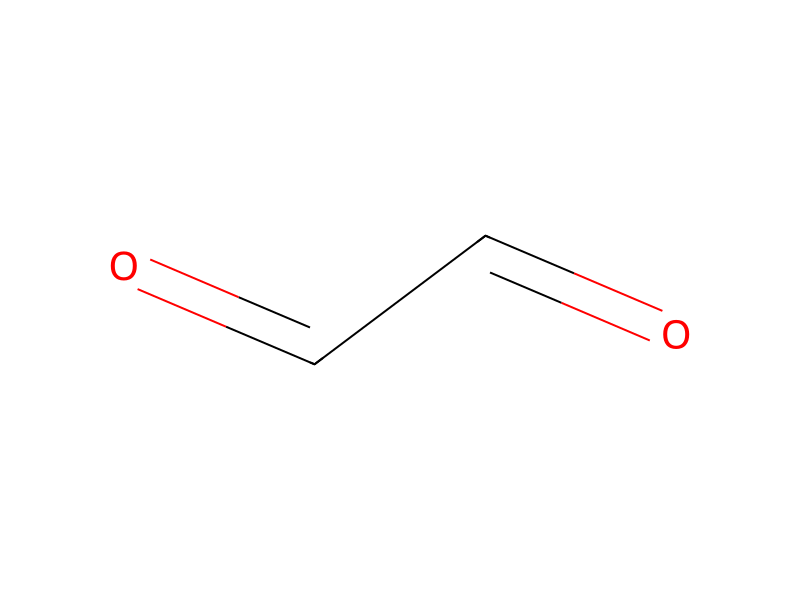
Glyoxal → HCID 66920583, compound
Reaction equation

[CH:1]([CH:3]=O)=[O:2].[CH:5]1([NH:10][N:11]=[CH:12][C:13](=[O:15])[CH3:14])[CH2:9][CH2:8][CH2:7][CH2:6]1>O>[OH:15][C:13]1[C:12]([C:1](=[O:2])[CH3:3])=[N:11][N:10]([CH:5]2[CH2:6][CH2:7][CH2:8][CH2:9]2)[CH:14]=1Participants
4
Reactant 2

Product 1

Reagents, catalysts & solvents 1

Procedure
A 40% aqueous solution of glyoxal (1.88 mL, 16.4 mmol) was added to 2-oxopropanal cyclopentylhydrazone (2.53 g, 16.4 mmol) in H2O (125 mL). The mixture was then heated at reflux. After 1 hour, the mixture was cooled to room temperature and extracted with CH2Cl2 (4×). The combined organic extracts were dried (Na2SO4) and concentrated under reduced pressure to afford 1.68 g (53%) of 1-(4-hydroxy-1-cyclopentyl-1H-pyrazol-3-yl)ethanone as a yellow oil. The crude product was then used in the next step without further purification.
Workup
- temperatureThe mixture was then heated
- temperatureat reflux
- extractionextracted with CH2Cl2 (4×)
- dry with materialThe combined organic extracts were dried (Na2SO4)
- concentrationconcentrated under reduced pressure
Sources & evidence
- ORD record
- ord-6c50b52bce77403c905619205cfbf87a
- Source dataset
- uspto-grants-2012_11
- Patent number
- US08318762B2
Reaction notes
Loading…