Pyridine → Phenyl pyridin-3-ylcarbamate
Reaction equation

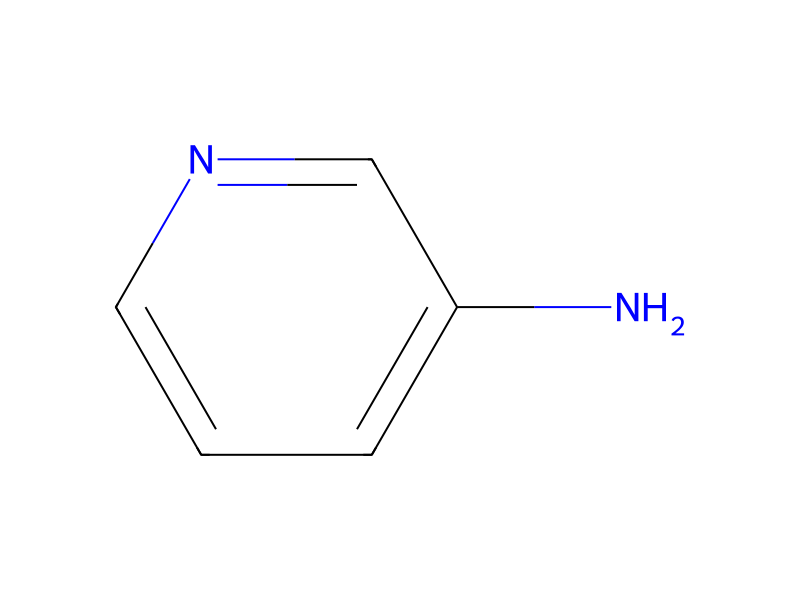
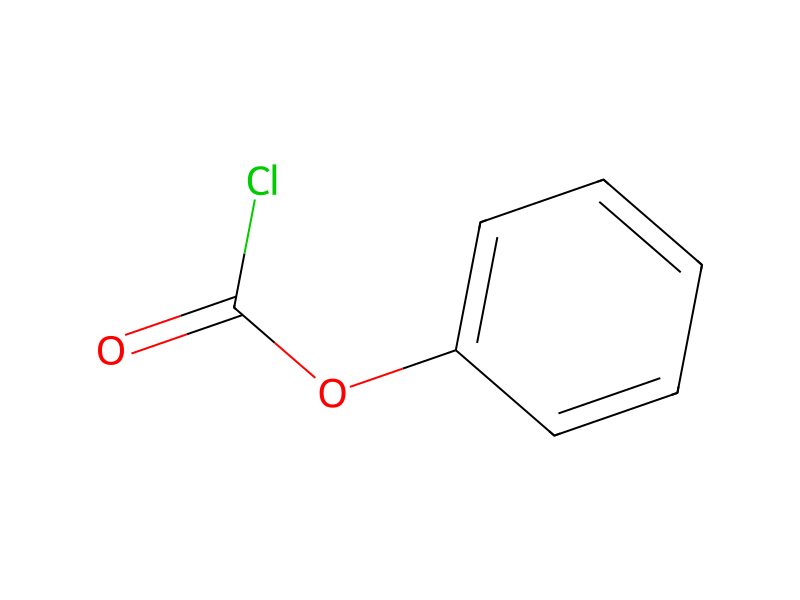
N1C=CC=CC=1.[C:7]1([O:13][C:14](Cl)=[O:15])[CH:12]=[CH:11][CH:10]=[CH:9][CH:8]=1.[NH2:17][C:18]1[CH:19]=[N:20][CH:21]=[CH:22][CH:23]=1>C(Cl)Cl>[C:7]1([O:13][C:14](=[O:15])[NH:17][C:18]2[CH:19]=[N:20][CH:21]=[CH:22][CH:23]=2)[CH:12]=[CH:11][CH:10]=[CH:9][CH:8]=1Participants
5
Reactant 3

Product 1

Reagents, catalysts & solvents 1

Procedure
A solution of pyridine (2 ml) in DCM (10 ml) is treated with phenylchloroformate (1.83 g, 11.7 mmol). To this solution is added 3-aminopyridine (1.0 g, 10.6 mmol) in DCM (8 ml) which results in an exotherm of 20° C. The reaction mixture is stirred at room temperature for 2 hours and then concentrated in vacuo. The residue is partitioned between EtOAc and water and the organic portion is separated. This organic portion is washed with water, saturated sodium bicarbonate solution, dried (MgSO4) and concentrated in vacuo to afford the title compound as a white solid. (MH+ 215.13)
Workup
- customresults in an exotherm of 20° C
- concentrationconcentrated in vacuo
- customThe residue is partitioned between EtOAc and water
- customthe organic portion is separated
- washThis organic portion is washed with water, saturated sodium bicarbonate solution
- dry with materialdried (MgSO4)
- concentrationconcentrated in vacuo
Sources & evidence
- ORD record
- ord-0347db1a3a9f4911aeeb161d8fafebfb
- Source dataset
- uspto-grants-2012_11
- Patent number
- US08318750B2
Reaction notes
Loading…