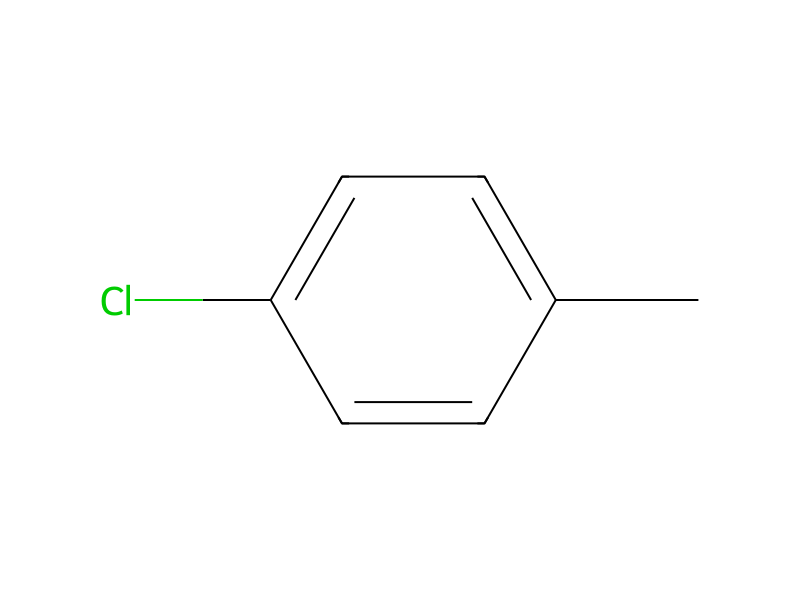
4-Chlorotoluene → Diphenyl-p-tolylphosphine
Reaction equation

Cl[C:2]1[CH:7]=[CH:6][C:5]([CH3:8])=[CH:4][CH:3]=1.[CH:9]1[CH:14]=[CH:13][C:12]([P-:15][C:16]2[CH:21]=[CH:20][CH:19]=[CH:18][CH:17]=2)=[CH:11][CH:10]=1.[K+]>C1COCC1>[C:16]1([P:15]([C:12]2[CH:11]=[CH:10][CH:9]=[CH:14][CH:13]=2)[C:2]2[CH:7]=[CH:6][C:5]([CH3:8])=[CH:4][CH:3]=2)[CH:17]=[CH:18][CH:19]=[CH:20][CH:21]=1Participants
4


Reagents, catalysts & solvents 1

Procedure
A 100 mL of reactor equipped with magnetic stir bar was charged with 140 mg (0.15 mmol) of {[(t-Bu)2P(OH)]2PdCl}2, 1.27 g (10.0 mmol) of 4-chlorotoluene, and 10.0 mmol of KPPh2 in 30.0 mL of THF. The resulting mixture was refluxed for 17 h before the reaction was cooled to room temperature, quenched with with 20 mL of H2O. The phosphorus-31 NMR spectrum of the reaction mixture at this point showed the δ32.1 [˜10%, Ph2PH(O)] and −5.0 (˜90%, MeC6H4-PPh2) resonances.
Workup
- customA 100 mL of reactor equipped with magnetic stir bar
- temperatureThe resulting mixture was refluxed for 17 h before the reaction
- customquenched with with 20 mL of H2O
Sources & evidence
- ORD record
- ord-d28f44b0196e4867953a0c686b9b6673
- Source dataset
- uspto-grants-2004_07
- Patent number
- US06762330B2
Reaction notes
Loading…