Isoamyl Nitrite → 3-Amino-2-hydroxybornane
Reaction equation

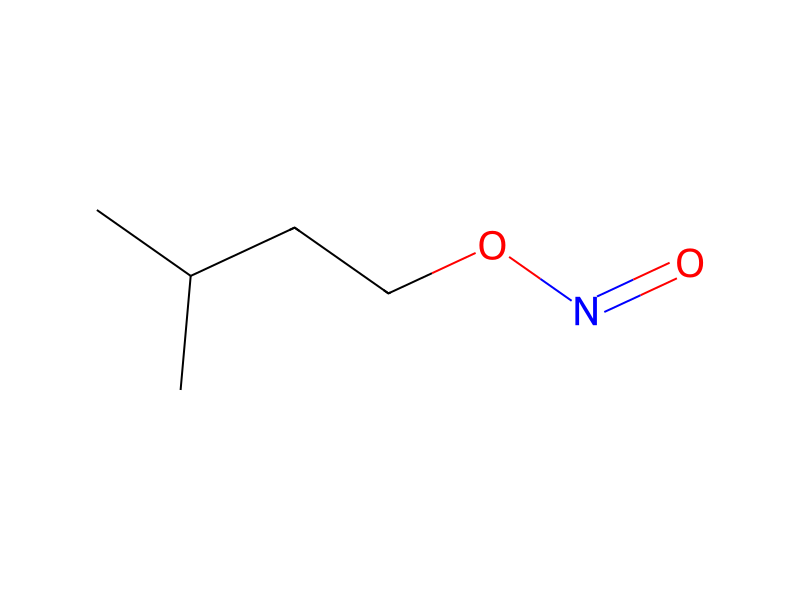
[CH3:1][C@:2]12[C:10](=[O:11])[CH2:9][C@H:5]([C:6]1([CH3:8])[CH3:7])[CH2:4][CH2:3]2.C[C@@]12C(=O)C[C@@H](C1(C)C)CC2.[N:23](OCCC(C)C)=O.[Na].[H-].[Al+3].[Li+].[H-].[H-].[H-]>>[NH2:23][CH:9]1[CH:5]2[C:6]([CH3:7])([CH3:8])[C:2]([CH3:1])([CH2:3][CH2:4]2)[CH:10]1[OH:11]Participants
6





Procedure
These compounds can be synthesized as follows. D-camphor or L-camphor is reacted with isoamyl nitrite in the presence of metallic sodium, and the product is reduced with lithium aluminum hydride to obtain 3-amino-2-hydroxybornane. The resulting 3-amino-2-hydroxybornane is reacted with furoyl chloride, 2-thiophenecarbonyl chloride-, or benzoyl chloride in the presence of pyridine or 4-dimethylaminopyridine, or it is subjected to a dehydrating reaction with furfural, 1-methyl-2-pyrrolecarbaldehyde, 1-benzyloxycarbonyl-L-proline, or benzaldehyde in the presence of a dehydrating agent. The resulting product is then reduced with lithium aluminum hydride to obtain a 3-amino-2-hydroxybornane derivative of exo or endo form.
Workup
- customThese compounds can be synthesized
Sources & evidence
- ORD record
- ord-81d5585b3c764ecbbf477684702d3fe3
- Source dataset
- uspto-grants-1992_09
- Patent number
- US05146003
Reaction notes
Loading…