Sodium Carbonate → 2-(6-Bromo-5-methylpyridin-2-yl)isoindoline-1,3-dione
Reaction equation

[O:1]=[C:2]1[C:10]2[C:5](=[CH:6][CH:7]=[CH:8][CH:9]=2)[C:4](=[O:11])[N:3]1[C:12]1[CH:17]=[CH:16][C:15]([CH3:18])=[CH:14][N+:13]=1[O-].P(Br)(Br)([Br:22])=O.C([O-])([O-])=O.[Na+].[Na+]>ClC(Cl)C>[Br:22][C:14]1[N:13]=[C:12]([N:3]2[C:2](=[O:1])[C:10]3[C:5](=[CH:6][CH:7]=[CH:8][CH:9]=3)[C:4]2=[O:11])[CH:17]=[CH:16][C:15]=1[CH3:18]Participants
5

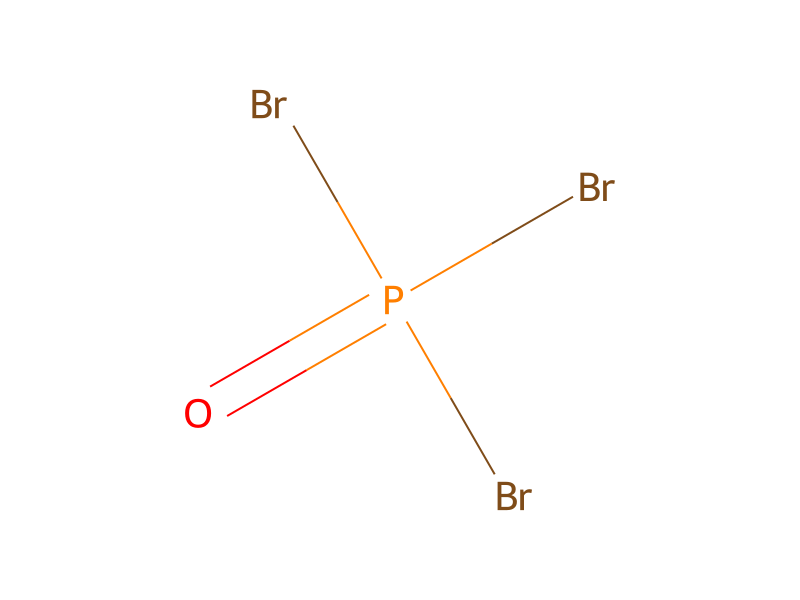



Conditions
- Temperature
- 40 °C
Procedure
To a solution of 2-(1,3-dioxoisoindolin-2-yl)-5-methylpyridine 1-oxide (501 mg, 1.97 mmol) in 1,1-dichloroethane (5 ml) is added POBr3 (679 mg, 2.36 mmol) in small portions at 0° C., and the solution is then heated at 40° C. for 2 hours. The solution is cooled to room temperature, poured into crushed ice, neutralized with Na2CO3 and extracted with dichloromethane. The separated organic layer is further washed with water, brine and dried over Na2SO4. After concentration, the crude product is purified by silica gel flash chromatography, eluted with 3% ethyl acetate in dichloromethane to afford 2-(6-bromo-5-methylpyridin-2-yl)isoindoline-1,3-dione as an off-white solid. LC-MS m/z: 317.2 (M+1).
Workup
- temperatureThe solution is cooled to room temperature
- additionpoured
- custominto crushed ice
- extractionextracted with dichloromethane
- washThe separated organic layer is further washed with water, brine
- dry with materialdried over Na2SO4
- concentrationAfter concentration
- customthe crude product is purified by silica gel flash chromatography
- washeluted with 3% ethyl acetate in dichloromethane
Sources & evidence
- ORD record
- ord-95684f4d726b4ef4a897f22e14c9961d
- Source dataset
- uspto-grants-2013_08
- Patent number
- US08507491B2
Reaction notes
Loading…