Chlorine → 3-Chloro-4-cyclohexylaniline
Reaction equation

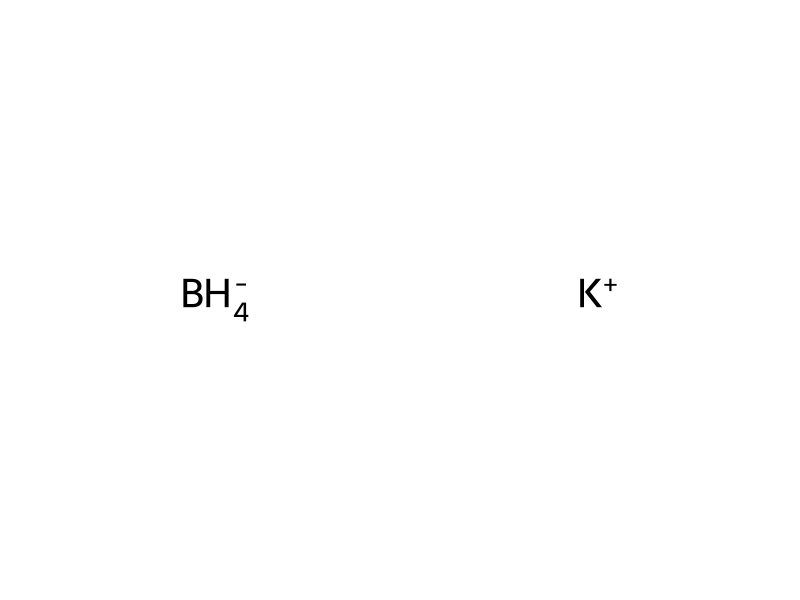
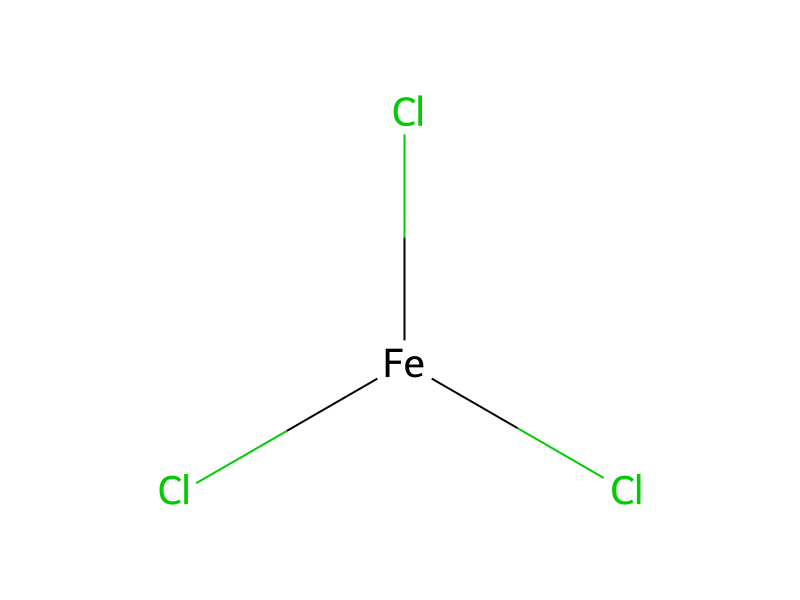
[CH:1]1([C:7]2[CH:12]=[CH:11][C:10]([N+:13]([O-])=O)=[CH:9][CH:8]=2)[CH2:6][CH2:5][CH2:4][CH2:3][CH2:2]1.C1(C2C=CC=CC=2[N+]([O-])=O)CCCCC1.[Cl:31]Cl.[BH4-].[K+]>[Fe](Cl)(Cl)Cl.[Cu]Cl.O>[Cl:31][C:8]1[CH:9]=[C:10]([CH:11]=[CH:12][C:7]=1[CH:1]1[CH2:6][CH2:5][CH2:4][CH2:3][CH2:2]1)[NH2:13]Participants
Reactant 4



Product 1

Reagents, catalysts & solvents 3


Procedure
A mixture of 1.0 g (5 mmol) of 4-cyclohexyl-nitrobenzene and 0.1 g of iron(III) chloride was heated to 60°. After the cyclohexyl-nitrobenzene had melted chlorine gas was conducted through the well-stirred mixture for 15 minutes. Then, 20 ml of ice-water were added and the mixture was extracted with ether. The ether was distilled off and the residue was dissolved in 60 ml of methanol. Then, the solution was treated with 2.5 g (25 mmol) of copper(I) chloride and portionwise with 1.6 g (29 mmol) of potassium borohydride. After stirring for 30 minutes the mixture was poured into 0.5 l of water and extracted with ether. Drying over sodium sulfate, distillation of the ether and chromatography over silica gel with hexane/ethyl acetate 9:1 gave 0.68 g of oil. MS: m/e (% basic peak)=209 (M+, 75), 166 (100), 140 (78), 131 (62).
Workup
- temperaturewas heated to 60°
- extractionthe mixture was extracted with ether
- distillationThe ether was distilled off
- dissolutionthe residue was dissolved in 60 ml of methanol
- extractionextracted with ether
- dry with materialDrying over sodium sulfate, distillation of the ether and chromatography over silica gel with hexane/ethyl acetate 9:1
Sources & evidence
- ORD record
- ord-e6ee508f656e4cea973c3e1744cd5024
- Source dataset
- uspto-grants-1996_11
- Patent number
- US05574055
Reaction notes
Loading…