Potassium Carbonate → t-Butyl 4-benzyloxycarbonylaminophenoxyacetate
Reaction equation

Br[CH2:2][C:3]([O:5][C:6]([CH3:9])([CH3:8])[CH3:7])=[O:4].[CH2:10]([O:17][C:18]([NH:20][C:21]1[CH:26]=[CH:25][C:24]([OH:27])=[CH:23][CH:22]=1)=[O:19])[C:11]1[CH:16]=[CH:15][CH:14]=[CH:13][CH:12]=1.C(=O)([O-])[O-].[K+].[K+]>CC(C)=O>[CH2:10]([O:17][C:18]([NH:20][C:21]1[CH:22]=[CH:23][C:24]([O:27][CH2:2][C:3]([O:5][C:6]([CH3:9])([CH3:8])[CH3:7])=[O:4])=[CH:25][CH:26]=1)=[O:19])[C:11]1[CH:12]=[CH:13][CH:14]=[CH:15][CH:16]=1Participants
5
Reactant 3

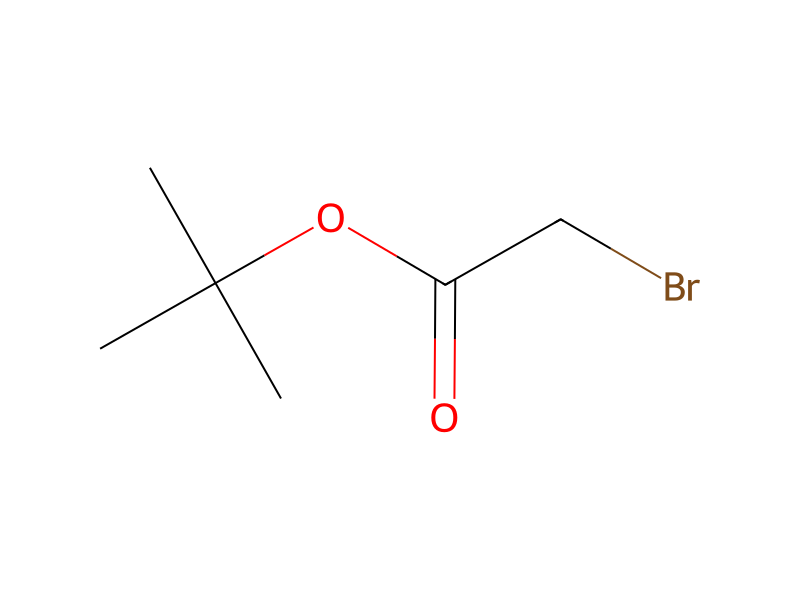

Product 1

Reagents, catalysts & solvents 1

Procedure
t-Butyl bromoacetate (15.5 ml) was added dropwise over 10 minutes to a mixture of the product of step (a) (21 g), anhydrous potassium carbonate (20 g) and acetone (450 ml). On completion of the addition the reaction mixture was stirred at ambient temperature overnight. Insoluble material was removed by filtration and the filtrate was evaporated to dryness. The solid residue was crystallised from ethyl acetate to give t-butyl 4-benzyloxycarbonylaminophenoxyacetate (25.1 g) as a white solid: m.p. 109°-110° C.; NMR Spectrum (DMSO-d6) 1.42 (9H, s), 4.56 (2H, s), 5.12 (2H, s), 6.82 (2H, d), 7.31-7.43 (7H, m), 9.54 (1H, br s).
Workup
- additionOn completion of the addition the reaction mixture
- customInsoluble material was removed by filtration
- customthe filtrate was evaporated to dryness
- customThe solid residue was crystallised from ethyl acetate
Sources & evidence
- ORD record
- ord-1b6fd3ef9ef040fb8fe66a12c8713e04
- Source dataset
- uspto-grants-1996_11
- Patent number
- US05576334
Reaction notes
Loading…