Hydrogen Sulfide → Ethyl 4-[3-(4-thiocarbamoylbenzoyl)ureido]phenoxyacetate
Reaction equation

[C:1]([C:3]1[CH:27]=[CH:26][C:6]([C:7]([NH:9][C:10](=[O:25])[NH:11][C:12]2[CH:24]=[CH:23][C:15]([O:16][CH2:17][C:18]([O:20][CH2:21][CH3:22])=[O:19])=[CH:14][CH:13]=2)=[O:8])=[CH:5][CH:4]=1)#[N:2].N1C=CC=CC=1.[SH2:34]>C(N(CC)CC)C>[C:1]([C:3]1[CH:4]=[CH:5][C:6]([C:7]([NH:9][C:10](=[O:25])[NH:11][C:12]2[CH:24]=[CH:23][C:15]([O:16][CH2:17][C:18]([O:20][CH2:21][CH3:22])=[O:19])=[CH:14][CH:13]=2)=[O:8])=[CH:26][CH:27]=1)(=[S:34])[NH2:2]Participants
5
Reactant 3
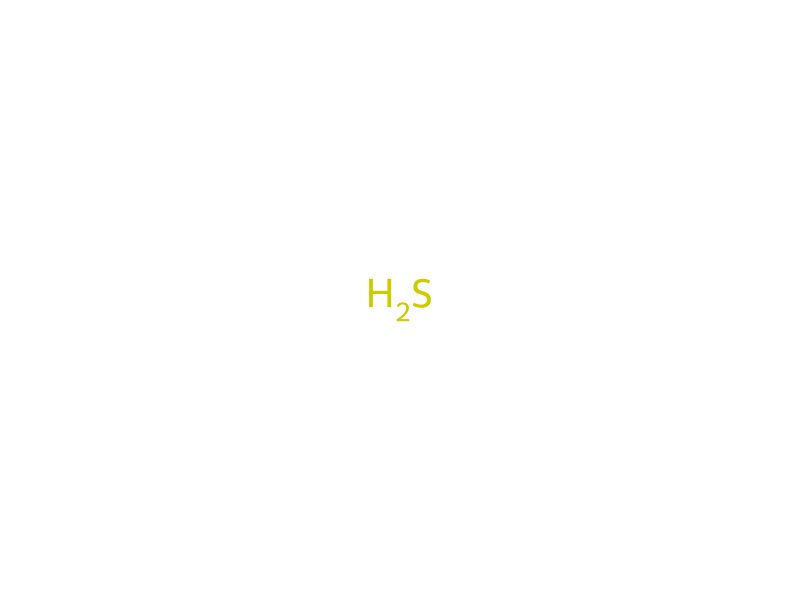


Product 1

Reagents, catalysts & solvents 1

Procedure
In a similar manner to Example, starting material step 1 (b), the product of step (a) (10.12 g), pyridine (500 ml), triethylamine (80 ml) and H2S gas were reacted to give ethyl 4-[3-(4-thiocarbamoylbenzoyl)ureido]phenoxyacetate (11 g) as a yellow solid: NMR Spectrum (DMSO-d6) 1.21 (3H, t), 4.18 (2H, q), 4.74 (2H, s), 6.93 (2H, d), 7.49 (2H, d), 7.95 (2H, d), 8.03 (2H, d), 9.64 (1H, br s), 10.03 (1H, br s), 10.60 (1H, s), 11.04 (1H, s); Mass Spectrum m/Z 402 (M+H)+.
Sources & evidence
- ORD record
- ord-20227abf6f4748caaea2530ebd005d56
- Source dataset
- uspto-grants-1996_11
- Patent number
- US05576334
Reaction notes
Loading…