n-Heptyl isocyanate → HCID 23370093, compound
Reaction equation

[CH3:1][N:2]([CH3:19])[C:3]1[CH:8]=[CH:7][C:6]([NH:9][C:10](=[O:18])[C:11]2[CH:16]=[CH:15][CH:14]=[CH:13][C:12]=2[NH2:17])=[CH:5][CH:4]=1.[CH2:20]([N:27]=[C:28]=[O:29])[CH2:21][CH2:22][CH2:23][CH2:24][CH2:25][CH3:26]>ClCCl>[CH3:1][N:2]([CH3:19])[C:3]1[CH:4]=[CH:5][C:6]([NH:9][C:10](=[O:18])[C:11]2[CH:16]=[CH:15][CH:14]=[CH:13][C:12]=2[NH:17][C:28]([NH:27][CH2:20][CH2:21][CH2:22][CH2:23][CH2:24][CH2:25][CH3:26])=[O:29])=[CH:7][CH:8]=1Participants
4
Reactant 2
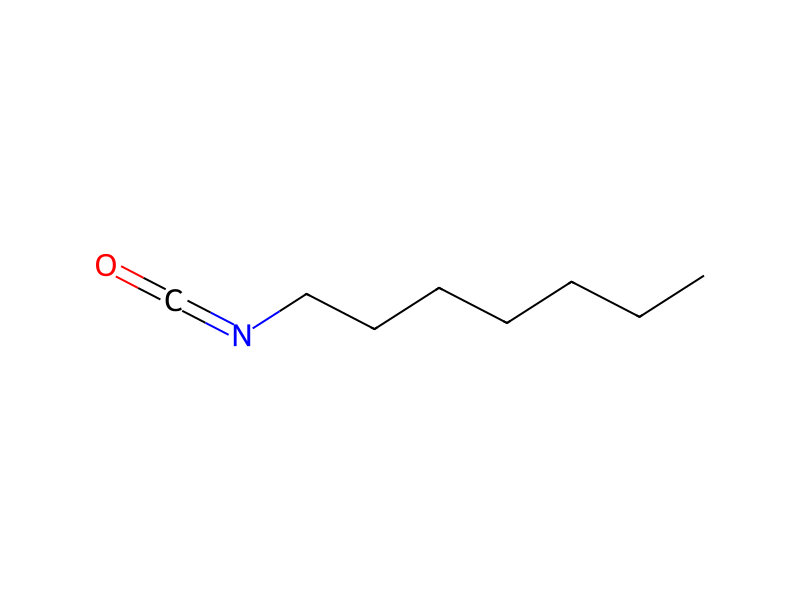

Product 1

Reagents, catalysts & solvents 1

Procedure
To a solution of N-(4-dimethylaminophenyl)-2-aminobenzamide (1.5 g) in dichloromethane (20 ml), heptyl isocyanate (2.4 g) was added under ice-cooling and the mixture was stirred overnight while returning slowly to room temperature. The solvent was distilled off and crystallization of the residue from chloroform/ethyl acetate afforded N-(4-dimethylaminophenyl)-2-(3-heptylureido)benzamide (1.6 g, 69%).
Workup
- temperaturecooling
- customwhile returning slowly to room temperature
- distillationThe solvent was distilled off
- customcrystallization of the residue from chloroform/ethyl acetate
Sources & evidence
- ORD record
- ord-d128e48edcfb4d899c55155796bb2565
- Source dataset
- uspto-grants-1996_11
- Patent number
- US05576335
Reaction notes
Loading…