Methyl Methacrylate → HCID 86750008, compound
Reaction equation

[C:1]([O:6][CH3:7])(=[O:5])[C:2]([CH3:4])=[CH2:3].[C:8]([O:13][CH2:14][CH:15]1[O:17][CH2:16]1)(=[O:12])[C:9]([CH3:11])=[CH2:10].[C:18]([O:23][C:24]([CH3:27])([CH3:26])[CH3:25])(=[O:22])[C:19]([CH3:21])=[CH2:20]>>[C:1]([O:6][CH3:7])(=[O:5])[C:2]([CH3:4])=[CH2:3].[C:8]([O:13][CH2:14][CH:15]1[O:17][CH2:16]1)(=[O:12])[C:9]([CH3:11])=[CH2:10].[C:18]([O:23][C:24]([CH3:27])([CH3:26])[CH3:25])(=[O:22])[C:19]([CH3:21])=[CH2:20]Participants
4



Procedure
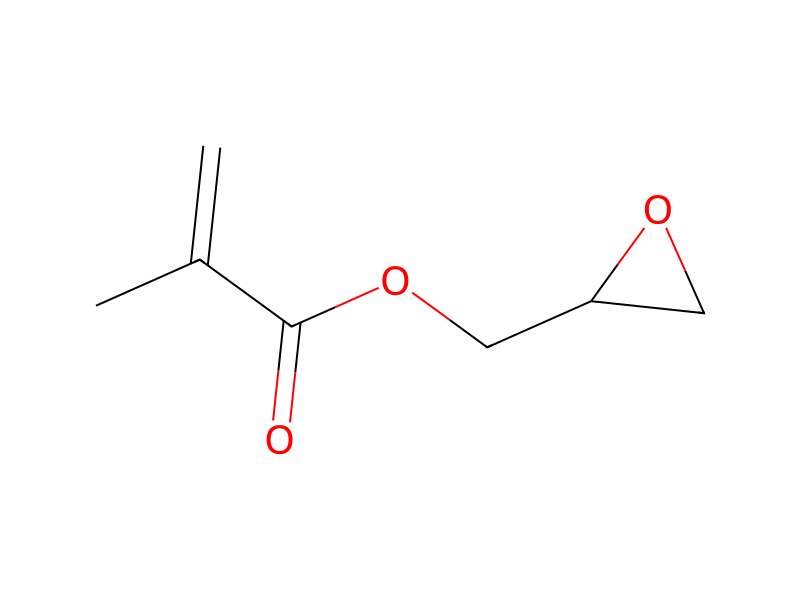
Using methyl methacrylate (40.0 g, 0.4 mole), glycidyl methacrylate (28.4 g, 0.2 mole) and tert-butyl methacrylate (14.2 g, 0.1 mole), the polymerization was carried out in the same manner as described in Synthesis Example 12, (1), and the precipitate was filtered and dried under reduced pressure to give 78.5 g of poly(methyl methacrylate/glycidyl methacrylate/tert-butyl methacrylate) as white powders having Mw 35000 and Mn 19000 (GPC with polystyrene calibration). The composition of the polymer was found to be methyl methacrylate unit and glycidyl methacrylate unit and tert-butyl methacrylate unit in molar ratio of ca. 4:2:1 based on 1HNMR analysis.
Workup
- customas described in Synthesis Example 12, (1),
- filtrationthe precipitate was filtered
- customdried under reduced pressure
Sources & evidence
- ORD record
- ord-23e3fc12423c4a39a8efb0cba34a43cb
- Source dataset
- uspto-grants-1996_11
- Patent number
- US05576359
Reaction notes
Loading…