Phosphoric Acid → Calcium Sulfate, Hemihydrate
Reaction equation

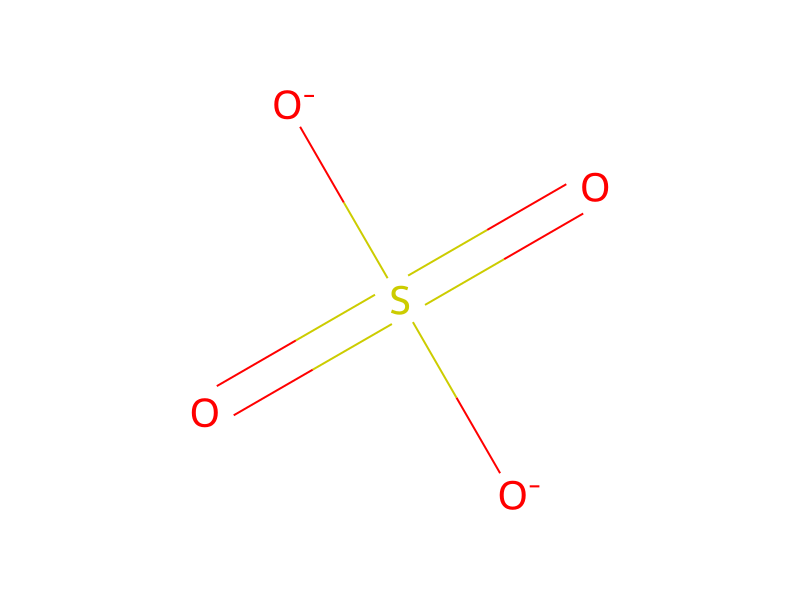
[Ca:1].[O-:2]P([O-])([O-])=O.[O-]P([O-])([O-])=O.[O-]P([O-])([O-])=O.[F-].[Ca+2].[Ca+2].[Ca+2].[Ca+2].[Ca+2].P(=O)(O)(O)O.O=P12OP3(OP(OP(O3)(O1)=O)(=O)O2)=O.[S:42]([O-:46])([O-:45])(=[O:44])=[O:43].P(O)([O-])([O-])=O.[Ca+2].[S:53]([O-:57])([O-:56])(=[O:55])=[O:54].[Ca+2]>>[OH2:2].[S:42]([O-:46])([O-:45])(=[O:44])=[O:43].[Ca+2:1].[Ca+2:1].[S:53]([O-:57])([O-:56])(=[O:55])=[O:54]Participants



Procedure
This process comprises in a first stage reacting in the presence of excess calcium ions, phosphate rock with at least nine parts by weight of phosphoric acid for each part of calcium added, said phosphoric acid containing at least 37% by weight P2O5 and 1% to 3% by weight dissolved sulfate, whereby the phosphate rock is converted into a slurry comprising monocalcium phosphate, phosphoric acid, and calcium sulfate, the percentage of calcium ion precipitated as calcium sulfate being 10 to 60%, preferably 20-50% by weight of total calcium fed, in a second stage reacting the slurry from the first stage with sulfuric acid whereby phosphoric acid containing at least 40% P2O5 by weight and calcium sulfate hemihydrate is formed, the sulfuric acid being used in an amount 0.5 to 2.0% by weight in excess of that required to convert the calcium content of the phosphate rock fed to the first stage into calcium sulfate. In the third stage, the phosphoric acid is separated from the calcium sulfate and the crystals are washed. The temperature of the first and second stages are in the range from 80° to 111° C., preferably from 90°-110° C.
Workup
- additionadded
- customthe percentage of calcium ion precipitated as calcium sulfate being 10 to 60%, preferably 20-50% by weight of total calcium
Sources & evidence
- ORD record
- ord-2e4110c68ebc4745a2e1403b202517f6
- Source dataset
- uspto-grants-1982_12
- Patent number
- US04363786
Reaction notes
Loading…