2-Ethoxy-1-(ethoxycarbonyl)-1,2-dihydroquinoline → HCID 13036549, compound
Reaction equation

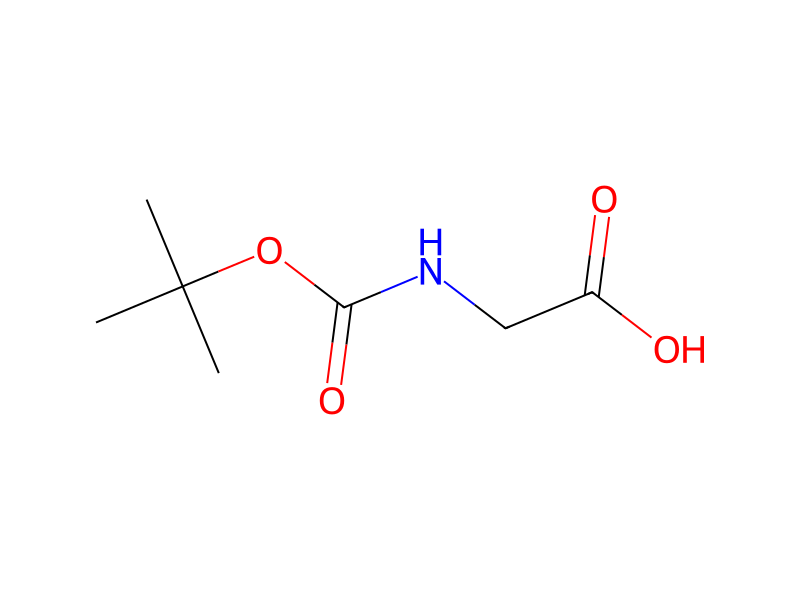
[CH3:1][C:2]([O:5][C:6]([NH:8][CH2:9][C:10]([OH:12])=O)=[O:7])([CH3:4])[CH3:3].Cl.[CH3:14][O:15][C:16](=[O:26])[C@H:17]([CH2:19][C:20]1[CH:25]=[CH:24][CH:23]=[CH:22][CH:21]=1)[NH2:18].C(OC(N1C2C(=CC=CC=2)C=CC1OCC)=O)C>C(Cl)Cl>[CH3:14][O:15][C:16](=[O:26])[C@H:17]([CH2:19][C:20]1[CH:25]=[CH:24][CH:23]=[CH:22][CH:21]=1)[NH:18][C:10](=[O:12])[CH2:9][NH:8][C:6]([O:5][C:2]([CH3:1])([CH3:3])[CH3:4])=[O:7]Participants
5




Procedure
t-Boc-glycine (1.75 g, 1.00 ×10⁻² mole), L-phenylalanine methyl ester hydrochloride (2.16 g, 1.00 ×10⁻² mole), and N-ethoxycarbonyl-2-ethoxy-1,2-dihydroquinoline (2.47 g, 1.00 ×10⁻² mole), and CH2Cl2 (50 ml) are stirred at room temperature for 16 hours. The reaction mixture is then washed in turn with 0.5M aqueous HCl (2 times) and saturated aqueous NaHCO3 before being dried over Na2SO4. Filtration of the drying agent and evaporation of the filtrate gives 6as an extremely viscous, almost colorless oil, which was shown to be homogeneous by TLC on silica gel plates and the structure corroborated by NMR. NMR (CDCl3) δ1.42 (S, 9, t-boc), 3.02 (d,2, benzylic methylene), 3.59 (S, 3, ester), 7.13 (S, 5, aromatic).
Workup
- washThe reaction mixture is then washed in turn with 0.5M aqueous HCl (2 times) and saturated aqueous NaHCO3
- dry with materialbefore being dried over Na2SO4
- filtrationFiltration of the drying agent and evaporation of the filtrate
- customgives 6as an extremely viscous, almost colorless oil, which
Sources & evidence
- ORD record
- ord-94dbf01a3b2b43a09e07a789da81e3ee
- Source dataset
- uspto-grants-1984_03
- Patent number
- US04435571
Reaction notes
Loading…