Carbon Dioxide → HCID 23050686, compound
Reaction equation

ClC[C:3]([CH3:11])(C1C=CC=CC=1)C.C(Cl)C(=C)C.[C:17](=[O:19])=[O:18].[CH3:20][C:21]([C:27]1[CH:32]=[CH:31][CH:30]=[CH:29][CH:28]=1)([CH3:26])[CH2:22][C:23](O)=[O:24].[Li].S(Cl)(Cl)=O.ClCCC(C)C1C=CC=CC=1.[Mg]>C1C=CC=CC=1>[CH:17]([O-:24])([O-:19])[O:18][CH2:3][CH3:11].[CH3:26][C:21]([C:27]1[CH:28]=[CH:29][CH:30]=[CH:31][CH:32]=1)([CH3:20])[CH2:22][CH2:23][CH:17]=[O:19]Participants
Reactant 8






Product 2


Reagents, catalysts & solvents 1

Procedure
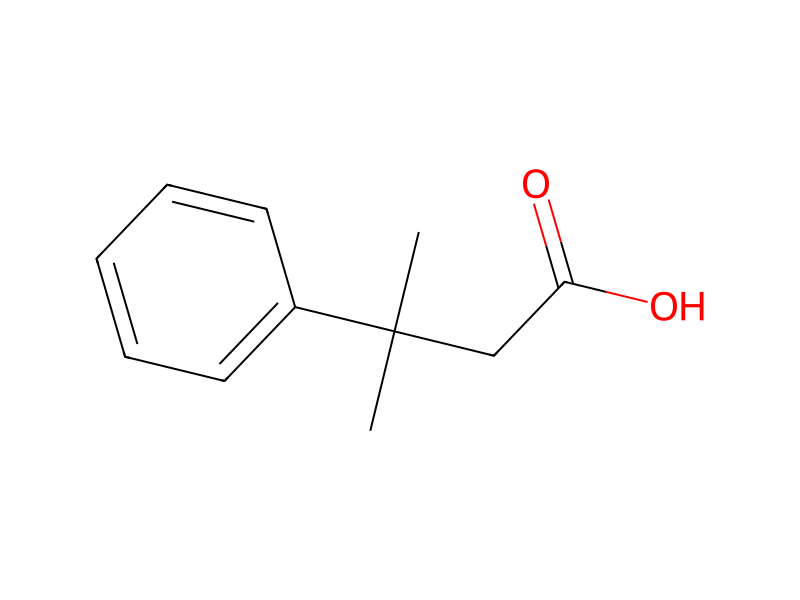
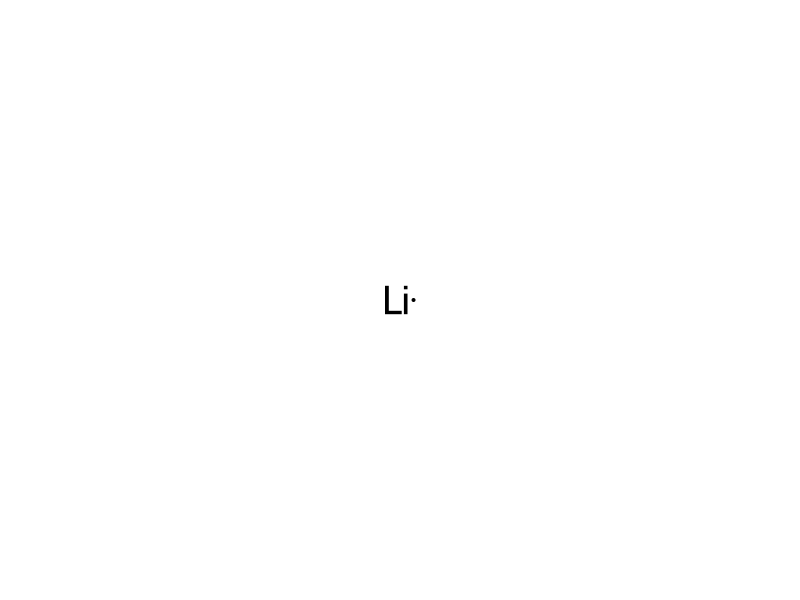
The 1-chloro-2-methyl-2-phenylpropane which can be prepared according to F. C. Withmore et al., J. Am. Chem. Soc. 65 (1943), 1469 by reacting benzene with methallyl chloride is converted in a yield of 82% by a Grignard reaction and subsequent working up with dry ice and hydrolysis into 3-methyl-3-phenylbutyric acid, the latter is reduced (91% yield) with lithium alanate to the alcohol, this is chlorinated in a further step with thionyl chloride in a yield of 75%, and the resulting 1-chloro-3-methyl-3-phenylpropane is reacted with magnesium and then with ethyl orthoformate to give 4-methyl-4-phenyl-1-pentanal in a yield of only 38%. The total yields obtained in this process are only about 21%. Another disadvantage is the fact that some of the reaction steps used are very expensive. In contrast, Ia as well as other, novel 4-methyl-4-phenyl-1-pentanals of the general formula I can be prepared with surprisingly good olfactory properties, in a simple manner and in good yields from 3-methyl-3-phenyl-1-butenes of the general formula II (cf. the previously unpublished patent application No. P 35 36 929.9), which has recently become very readily available.
Workup
- customis converted in a yield of 82% by a Grignard reaction
Sources & evidence
- ORD record
- ord-1d9726aa7905438c8e3c69a3a220d4e2
- Source dataset
- uspto-grants-1989_06
- Patent number
- US04837201
Reaction notes
Loading…