Piperazine → HCID 20039062, compound
Reaction equation

[NH:1]1[CH2:6][CH2:5][NH:4][CH2:3][CH2:2]1.[CH:7]([CH:9]=[O:10])=O.[OH2:11].[NH:12]1[CH2:17][CH2:16][NH:15][CH2:14][CH2:13]1>O>[N:1]1([C:9]([OH:10])([OH:11])[CH2:7][N:12]2[CH2:17][CH2:16][NH:15][CH2:14][CH2:13]2)[CH2:6][CH2:5][NH:4][CH2:3][CH2:2]1Participants
Reactant 3

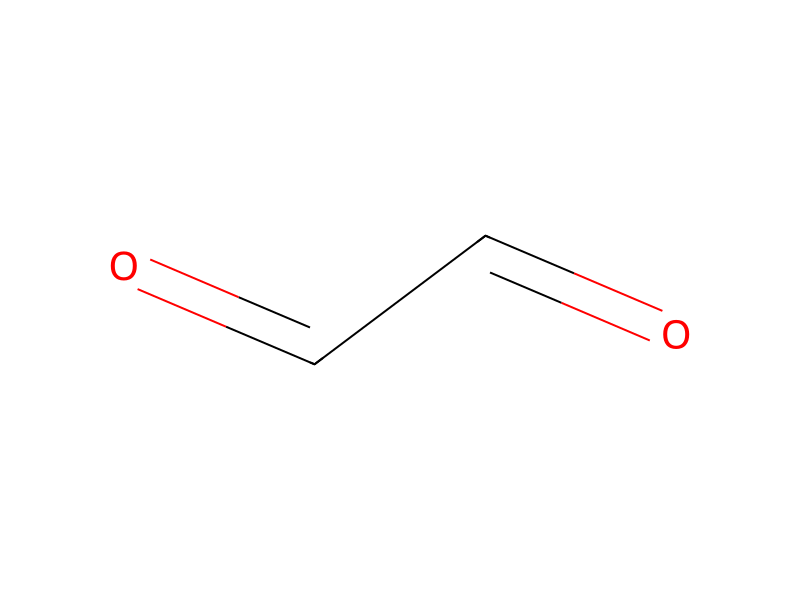

Product 1

Reagents, catalysts & solvents 1

Conditions
- Temperature
- 35 °C
Procedure
To a two liter kettle equipped with a reflux condenser, addition flask, immersion thermometer, mechanical stirrer and nitrogen purge system was added 515.8 g (6 moles) piperazine dissolved in 600 ml water. The contents in the resin kettle were stirred under nitrogen at 35° C. 218 g of 40 wt % glyoxal (1.5 moles) in water were diluted further with 70 g of water and added dropwise to the reactor contents over a period of twenty minutes. The reactor contents were allowed to stir at ambient temperature for thirty minutes. The reactor mixture became yellow and cloudy. A white crystalline solid was deposited on the kettle walls. The white crystalline solid was identified as piperazine hydrate by infrared spectrometry. The reactor mixture was filtered using a sintered funnel of medium porosity by vacuum. A tan colored solid was recovered. On washing with ethanol, the tan colored solid became a white solid. Infrared spectroscopy of the white solid showed no evidence of carbonyl groups but the presence of hydroxyl groups. Electron impact and chemical ionization mass spectrometry indicated the white solid was 1,2-bis (piperazinyl) ethanediol: ##STR4## The white solid was found to contain 56.3% carbon, 8.88% hydrogen, 22.1% nitrogen and 12.72% oxygen by CHN analysis. The percent carbon, hydrogen, nitrogen and oxygen calculated from the molecular formula of 1,2-bis (piperazinyl) ethanediol is 52.2, 9.6, 24.3 and 13.9%, respectively. The percent yield for 1,2-bis (piperazinyl) ethanediol was 23.3%. The filtrate was transferred to a liter round bottom flask and water removed by rotary evaporation. A brown oily water soluble liquid remained after the rotary evaporation. Infrared spectroscopy showed the brown oil liquid consisted of piperazine hydrate, a compound containing an amide group (1645 cm-1) and 1,2-bis(piperazinyl)ethanediol. Electron impact ionization mass spectroscopy indicated the compound containing the amide group was 2-hydroxy-1-(1-piperazinyl) ethanone: ##STR5##
Workup
- customTo a two liter kettle equipped with a reflux condenser, addition flask
- customimmersion thermometer, mechanical stirrer and nitrogen purge system
- additionadded dropwise to the reactor contents over a period of twenty minutes
- stirringto stir at ambient temperature for thirty minutes
- filtrationThe reactor mixture was filtered
- customA tan colored solid was recovered
- washOn washing with ethanol
Sources & evidence
- ORD record
- ord-f6b2456eeb604a8380955829900d2db6
- Source dataset
- uspto-grants-1989_06
- Patent number
- US04837324
Reaction notes
Loading…