1,2-Dichloroethane → HCID 20038991, compound
Reaction equation

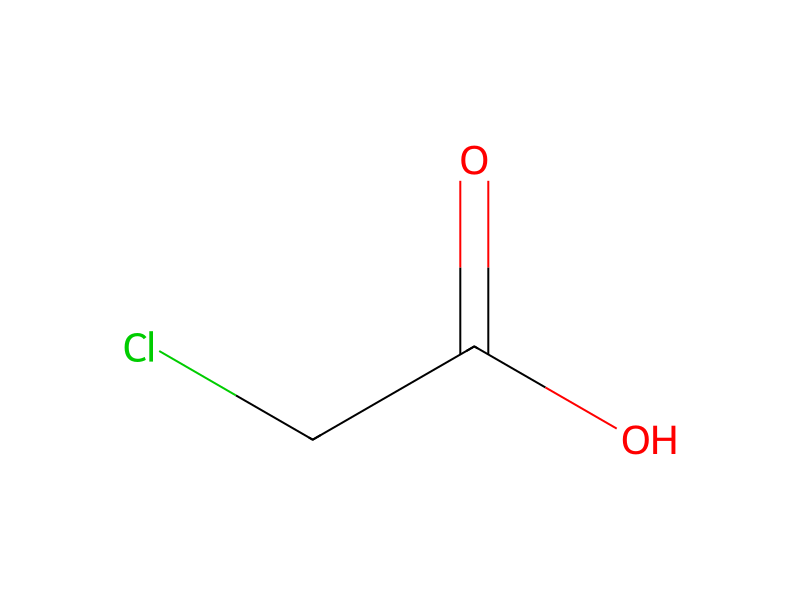
[NH:1]1[CH2:7][CH2:6][CH2:5][CH2:4][CH2:3][CH:2]1[CH2:8][C:9]1[CH:10]=[C:11]([CH:17]=[CH:18][CH:19]=1)[O:12][CH2:13][CH2:14][CH2:15][NH2:16].[Cl:20][CH2:21][C:22](O)=[O:23].C(Cl)CCl.O>ClCCl>[NH:1]1[CH2:7][CH2:6][CH2:5][CH2:4][CH2:3][CH:2]1[CH2:8][C:9]1[CH:10]=[C:11]([CH:17]=[CH:18][CH:19]=1)[O:12][CH2:13][CH2:14][CH2:15][NH:16][C:22](=[O:23])[CH2:21][Cl:20]Participants
6
Reactant 4



Product 1

Reagents, catalysts & solvents 1

Conditions
- Temperature
- 0 °C
Procedure
0.22 g of 3-{3-(1-perhydroazepinylmethyl)phenoxy}propylamine was dissolved in 10 ml of dichloromethane, and cooled in an ice bath. 0.1 g of monochloroacetic acid and 0.2 g of EDC were added to this solution, and stirred at 0° C. for 30 minutes then at room temperature overnight. 10 ml of water and 10 ml of dichloromethane were added to the reaction solution, and the organic layer was separated, dried over anhydrous magnesium sulfate, and the solvent was evaporated in vacuo to obtain colorless oily N-[3-{3-(1-perhydroazepinylmethyl)phenoxy}propyl]-2-chloroacetamide. Yield: 0.15 g. ##STR159##
Workup
- temperaturecooled in an ice bath
- customat room temperature
- customovernight
- customthe organic layer was separated
- dry with materialdried over anhydrous magnesium sulfate
- customthe solvent was evaporated in vacuo
Sources & evidence
- ORD record
- ord-9fa5a2745afd4e88952c25b8583fc911
- Source dataset
- uspto-grants-1989_06
- Patent number
- US04837316
Reaction notes
Loading…