Methane → Pirtenidine hydrochloride
Reaction equation

[CH2:1]([NH:9][C:10]1[CH:15]=[CH:14][N:13]=[CH:12][CH:11]=1)[CH2:2][CH2:3][CH2:4][CH2:5][CH2:6][CH2:7][CH3:8].[CH2:16]([Cl:24])[CH2:17][CH2:18][CH2:19][CH2:20][CH2:21][CH2:22][CH3:23].C>ClCCl>[ClH:24].[CH2:16]([N:13]1[CH:14]=[CH:15][C:10](=[N:9][CH2:1][CH2:2][CH2:3][CH2:4][CH2:5][CH2:6][CH2:7][CH3:8])[CH:11]=[CH:12]1)[CH2:17][CH2:18][CH2:19][CH2:20][CH2:21][CH2:22][CH3:23]Participants
Reactant 3
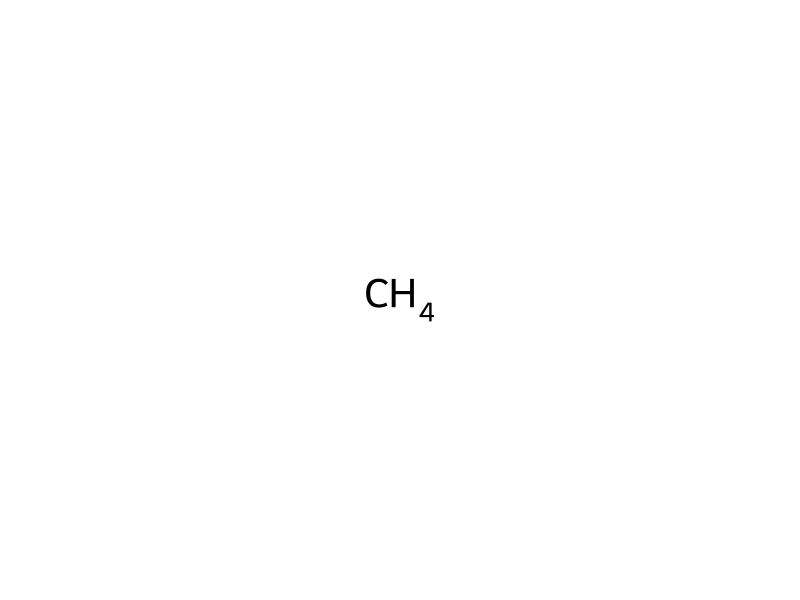


Product 1

Reagents, catalysts & solvents 1

Conditions
- Temperature
- 180 °C
Procedure
A mixture of 4-octylaminopyridine (25 g., 0.121 mole) and octyl chloride (20.5 ml., 0.121 mole) was heated at 180° C. for 1 hr. More octyl chloride (0.5 ml.) was added and the mixture was again heated at 180° C. for 1 hr., then dissolved in dichloromethane. The dichloromethane solution was treated with charcoal, filtered, and stripped of solvent under vacuum. The solid residue was slurried in ether (1.5 kg.), collected by filtration, washed with ether (500 g.), isolated in a dry bag, and dried (50°-80° C., 0.1 mm.). The procedure was repeated using the same amounts of starting materials and the product were combined, affording N-(1-octyl-4(1H)-pyridinylidene)octanamine monohydrochloride (80.5 g., 93% yield, m.r. 120°-125° C.), which is the monohydrochloride salt of the compound of Formula I wherein R and R' are both octyl.
Workup
- temperaturethe mixture was again heated at 180° C. for 1 hr
- filtrationfiltered
- filtrationcollected by filtration
- washwashed with ether (500 g.)
- customisolated in a dry bag
- customdried (50°-80° C., 0.1 mm.)
Sources & evidence
- ORD record
- ord-557f9ca95a27483e806fc487a3b07a52
- Source dataset
- uspto-grants-1989_06
- Patent number
- US04839372
Reaction notes
Loading…