Water → (4-Methoxyphenyl)(2-methyl-3-nitrophenyl)methanone
Reaction equation

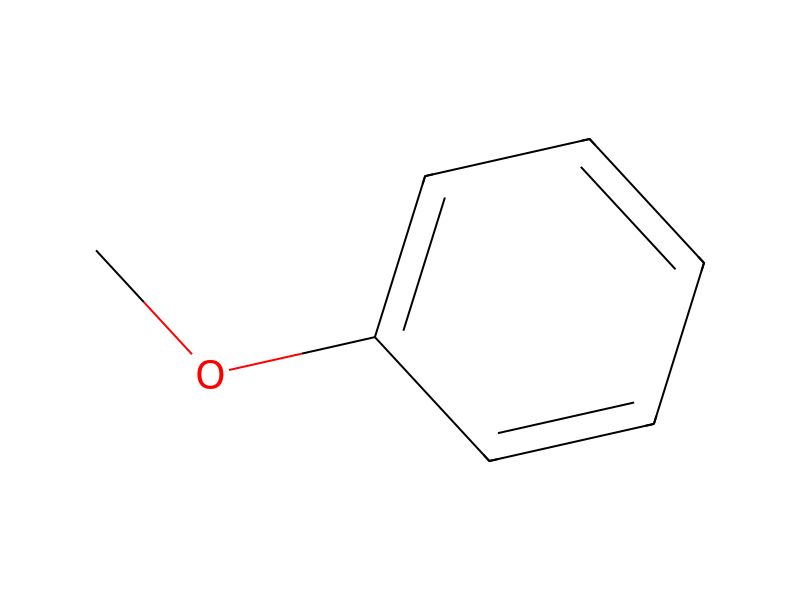
[Cl-].[Al+3].[Cl-].[Cl-].[CH3:5][C:6]1[C:14]([N+:15]([O-:17])=[O:16])=[CH:13][CH:12]=[CH:11][C:7]=1[C:8](Cl)=[O:9].[C:18]1([O:24][CH3:25])[CH:23]=[CH:22][CH:21]=[CH:20][CH:19]=1.O>C(Cl)Cl>[CH3:25][O:24][C:18]1[CH:23]=[CH:22][C:21]([C:8]([C:7]2[C:6]([CH3:5])=[C:14]([N+:15]([O-:17])=[O:16])[CH:13]=[CH:12][CH:11]=2)=[O:9])=[CH:20][CH:19]=1Participants





Procedure
To a suspension of 95.6 g (0.716 mole) of aluminum chloride in 500 ml of methylene dichloride was added, rapidly and with stirring, a solution of 110.1 g (0.551 mole) of 2-methyl-3-nitrobenzoyl chloride in 400 ml of methylene dichloride. The mixture was then transferred to an addition funnel, added with stirring to a solution of 59.8 g (0.551 mole) of anisole over a thirty minute period, and the reaction mixture then heated under reflux for two hours. The mixture was decomposed by the careful addition, with stirring, of 1 liter of water and then filtered. The organic layer was separated from the aqueous layer, dried and taken to dryness, and the residue recrystallized from ethyl acetate to give 102.9 g of 3-(4-methoxybenzoyl)-2-methylnitrobenzene, m.p. 110°-113° C.
Workup
- additionwas added
- customThe mixture was then transferred to an addition funnel
- additionadded
- temperaturethe reaction mixture then heated
- temperatureunder reflux for two hours
- additionThe mixture was decomposed by the careful addition
- filtrationfiltered
- customThe organic layer was separated from the aqueous layer
- customdried
- customthe residue recrystallized from ethyl acetate
Sources & evidence
- ORD record
- ord-abd7a68ba31548adbc60b9e827a60b9e
- Source dataset
- uspto-grants-1989_06
- Patent number
- US04840950
Reaction notes
Loading…