Potassium Carbonate → HCID 67052460, compound
Reaction equation

Cl.[Cl:2][CH2:3][C:4]([NH:6][C:7]1[CH:8]=[N:9][C:10]2[C:15]([C:16]=1[NH:17][CH2:18][CH:19]([CH3:21])[CH3:20])=[N:14][CH:13]=[CH:12][CH:11]=2)=O.C(=O)([O-])[O-].[K+].[K+]>C(O)C.O>[Cl:2][CH2:3][C:4]1[N:17]([CH2:18][CH:19]([CH3:21])[CH3:20])[C:16]2[C:15]3[N:14]=[CH:13][CH:12]=[CH:11][C:10]=3[N:9]=[CH:8][C:7]=2[N:6]=1Participants
Reactant 2


Product 1

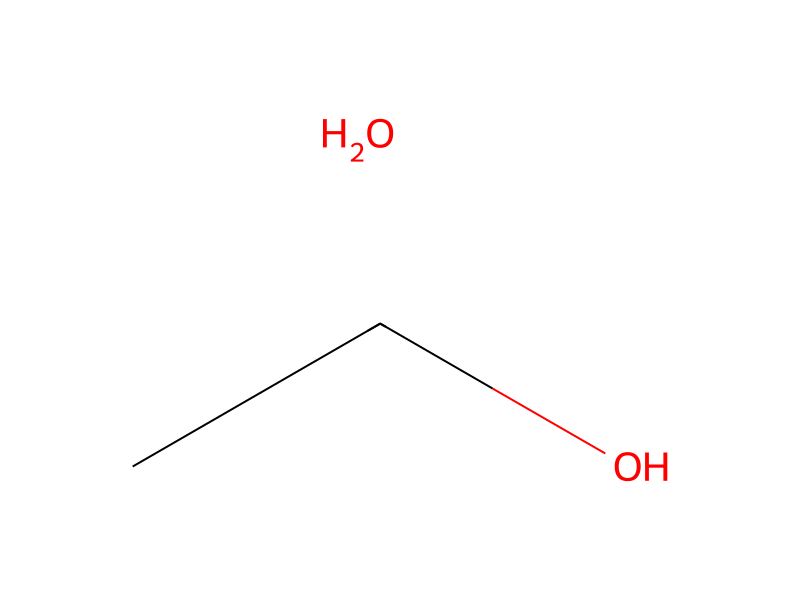
Reagents, catalysts & solvents 1
Procedure
To a solution of 2-chloro-N-{4-[(2-methylpropyl)amino][1,5]naphthyridin-3-yl}acetamide hydrochloride (from Part C, approximately 70 mmol) in 3:1 ethanol/water (280 mL) was added 6 M aqueous potassium carbonate (17.5 mL). The reaction mixture was stirred at room temperature over the weekend. The volatiles were removed under reduced pressure and the residue was partitioned between dichloromethane (200 mL) and brine (100 mL). The aqueous layer was extracted with dichloromethane (2×50 mL). The organic layers were combined, dried over magnesium sulfate, filtered, and concentrated under reduced pressure to afford 19.5 g of 2-(chloromethyl)-1-(2-methylpropyl)-1H-imidazo[4,5-c][1,5]naphthyridine, which contained a small amount of dichloromethane and was used without further purification in the next step.
Workup
- customThe volatiles were removed under reduced pressure
- customthe residue was partitioned between dichloromethane (200 mL) and brine (100 mL)
- extractionThe aqueous layer was extracted with dichloromethane (2×50 mL)
- dry with materialdried over magnesium sulfate
- filtrationfiltered
- concentrationconcentrated under reduced pressure
Sources & evidence
- ORD record
- ord-034313fe20b343cc9a253e6e9f4133ae
- Source dataset
- uspto-grants-2013_12
- Patent number
- US08598192B2
Reaction notes
Loading…