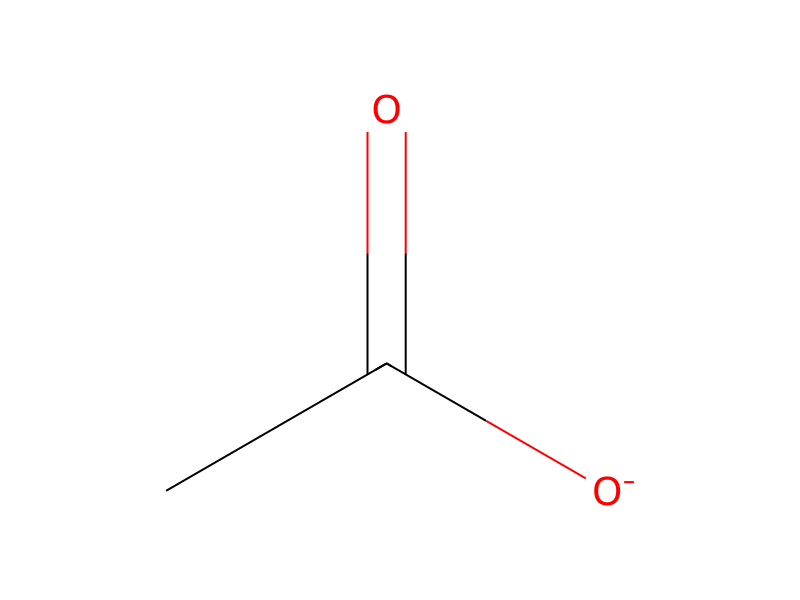
Acetate → HCID 67491158, compound
Reaction equation

[C:1]([N:4]1[C:13]2[C:8](=[N:9][CH:10]=[CH:11][CH:12]=2)[CH:7]([NH2:14])[CH2:6][CH:5]1[CH3:15])(=[O:3])[CH3:2].[Cl:16][C:17]1[CH:22]=[CH:21][C:20](B(O)O)=[CH:19][CH:18]=1.C([O-])(=O)C.N1C=CC=CC=1>CN(C=O)C>[C:1]([N:4]1[C:13]2[C:8](=[N:9][CH:10]=[CH:11][CH:12]=2)[C@H:7]([NH:14][C:20]2[CH:21]=[CH:22][C:17]([Cl:16])=[CH:18][CH:19]=2)[CH2:6][C@@H:5]1[CH3:15])(=[O:3])[CH3:2]Participants
Reactant 4



Product 1

Reagents, catalysts & solvents 1

Procedure
[Step 4] 15 mg of the 1-acetyl-4-amino-2-methyl-3,4-dihydro-2H-[1,5] naphthyridine and 23 mg of 4-chlorophenylboronic acid were dissolved in 0.3 mL of DMF followed by adding 27 mg of divalent capper acetate and 18 μL of pyridine and stirring for 5 hours at room temperature in the presence of air. Following completion of the reaction, the solution was filtered with celite followed by the addition of water and extracting three times with ethyl acetate. After washing with saturated brine and dehydrating with anhydrous sodium sulfate, the solution was concentrated under reduced pressure and the resulting residue was purified using silica gel chromatography (ethyl acetate:hexane=1:1) to obtain 13 mg of the target compound in the form of a pale yellow solid (57%).
Workup
- customcompletion of the reaction
- filtrationthe solution was filtered with celite
- additionfollowed by the addition of water
- extractionextracting three times with ethyl acetate
- washAfter washing with saturated brine
- concentrationthe solution was concentrated under reduced pressure
- customthe resulting residue was purified
Sources & evidence
- ORD record
- ord-d30f8d2313514662b79bbcbf2b96169a
- Source dataset
- uspto-grants-2013_12
- Patent number
- US08604030B2
Reaction notes
Loading…