Phosphorus oxide (P4O10) → 2-(2-Chloro-5-nitrophenyl)oxazole
Reaction equation

O=P12OP3(OP(OP(O3)(O1)=O)(=O)O2)=O.[Cl:15][C:16]1[CH:30]=[CH:29][C:28]([N+:31]([O-:33])=[O:32])=[CH:27][C:17]=1[C:18]([NH:20][CH2:21][CH:22]([O:25]C)OC)=O>CS(O)(=O)=O>[Cl:15][C:16]1[CH:30]=[CH:29][C:28]([N+:31]([O-:33])=[O:32])=[CH:27][C:17]=1[C:18]1[O:25][CH:22]=[CH:21][N:20]=1Participants
4
Reactant 2


Product 1

Reagents, catalysts & solvents 1
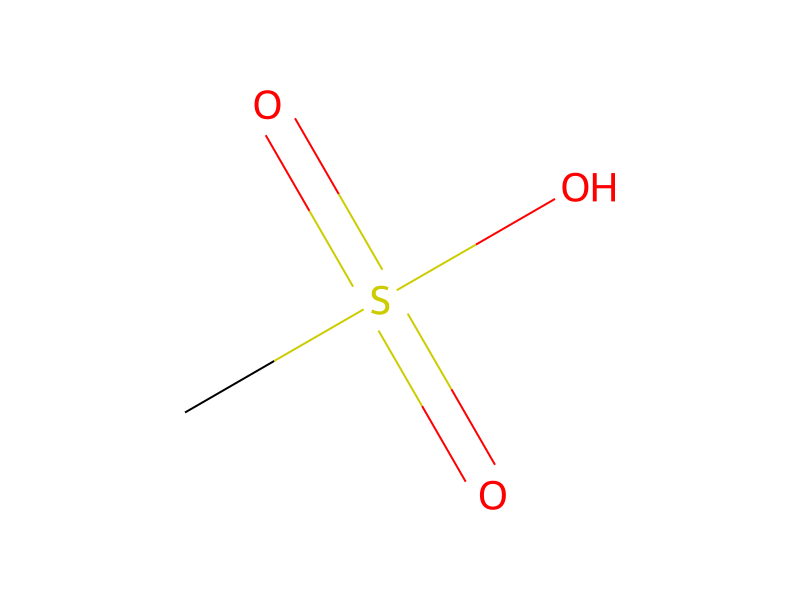
Conditions
- Temperature
- 142.5 °C
Procedure
Under nitrogen, phosphorus pentoxide (0.98 g, 6.90 mmol) was added portionwise to a slurry of 2-chloro-N-(2,2-dimethoxy-ethyl)-5-nitro-benzamide (0.5 g, 1.73 mmol) in methanesulfonic acid (5 mL) at r.t. The mixture was heated to 140-145° C. for 6 h. After cooling to r.t., the mixture was poured onto ice-water and extracted with ethyl acetate. The combined organic phases were washed with water then brine, dried over sodium sulfate, filtered and concentrated in vacuo. Further drying under high vacuum gave 2-(2-chloro-5-nitrophenyl)-oxazole (0.366 g, 94%) as a solid.
Workup
- temperatureAfter cooling to r.t.
- additionthe mixture was poured onto ice-water
- extractionextracted with ethyl acetate
- washThe combined organic phases were washed with water
- dry with materialbrine, dried over sodium sulfate
- filtrationfiltered
- concentrationconcentrated in vacuo
- customFurther drying under high vacuum
Sources & evidence
- ORD record
- ord-f46591ba5e434ca1b400b77a4edb6f2c
- Source dataset
- uspto-grants-2013_12
- Patent number
- US08604029B2
Reaction notes
Loading…