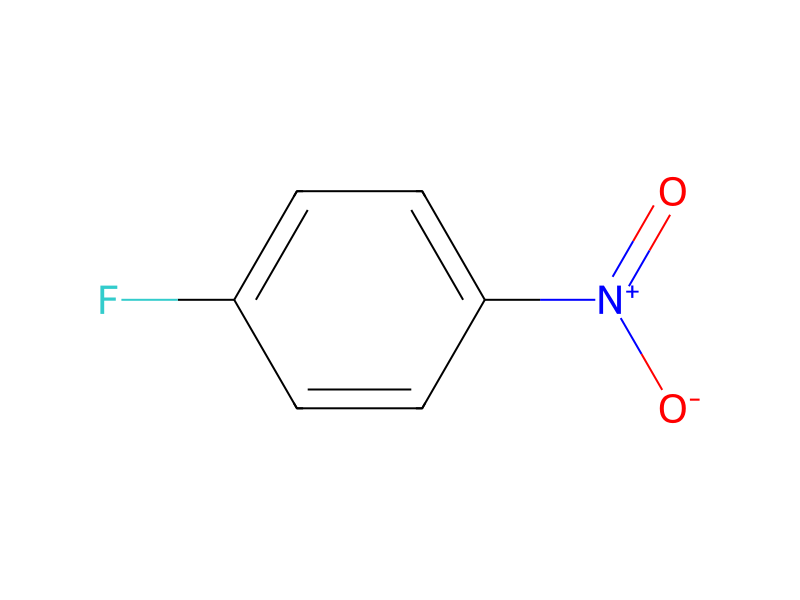
p-Fluoronitrobenzene → HCID 23154948, compound
Reaction equation

Cl.[Cl:2][C:3]1[CH:8]=[CH:7][C:6]([NH:9][OH:10])=[CH:5][C:4]=1[C:11]([F:14])([F:13])[F:12].[NH2:15][C:16]1[CH:24]=[CH:23][CH:22]=[C:21]2[C:17]=1[CH:18]=[CH:19][NH:20]2.[C:25](OC(OC(C)(C)C)=O)(OC(C)(C)C)=[O:26].F[C:41]1[CH:46]=[CH:45][C:44]([N+:47]([O-])=O)=[CH:43][CH:42]=1>>[ClH:2].[NH2:15][C:16]1[CH:24]=[CH:23][CH:22]=[C:21]2[C:17]=1[CH:18]=[CH:19][N:20]2[C:41]1[CH:46]=[CH:45][C:44]([NH:47][C:25]([N:9]([C:6]2[CH:7]=[CH:8][C:3]([Cl:2])=[C:4]([C:11]([F:12])([F:13])[F:14])[CH:5]=2)[OH:10])=[O:26])=[CH:43][CH:42]=1Participants
5


Procedure
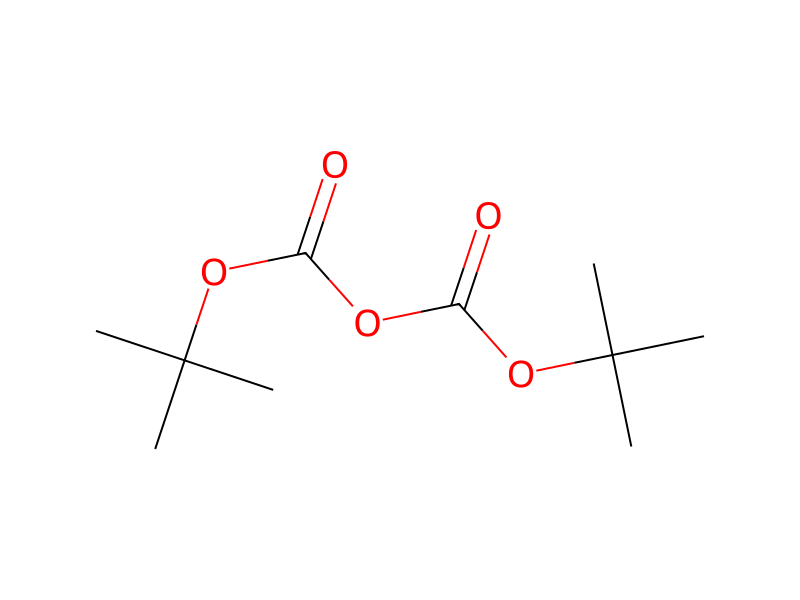
The titled compound can be synthesized from N-(4-chloro-3-(trifluoromethyl)phenyl)hydroxylamine hydrochloride, 4-aminoindol, di-tert-butyl dicarbonate and 4-fluoronitrobenzene by using the same techniques as in Example 70.
Sources & evidence
- ORD record
- ord-1c01dbc52be24af0a11b71102874da38
- Source dataset
- uspto-grants-2013_12
- Patent number
- US08609656B2
Reaction notes
Loading…