Cyclohexanone Oxime → 2-Oxa-3-azabicyclo[2.2.2]oct-5-ene hydrochloride
Reaction equation

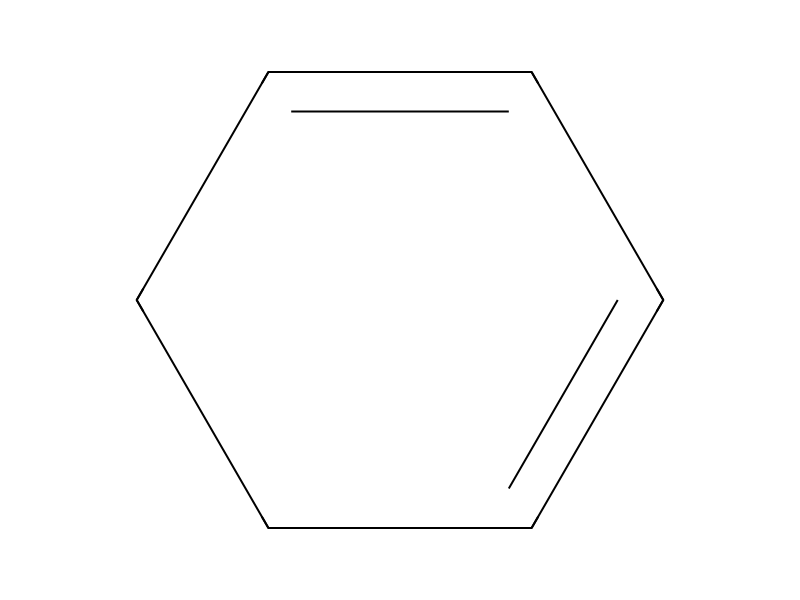
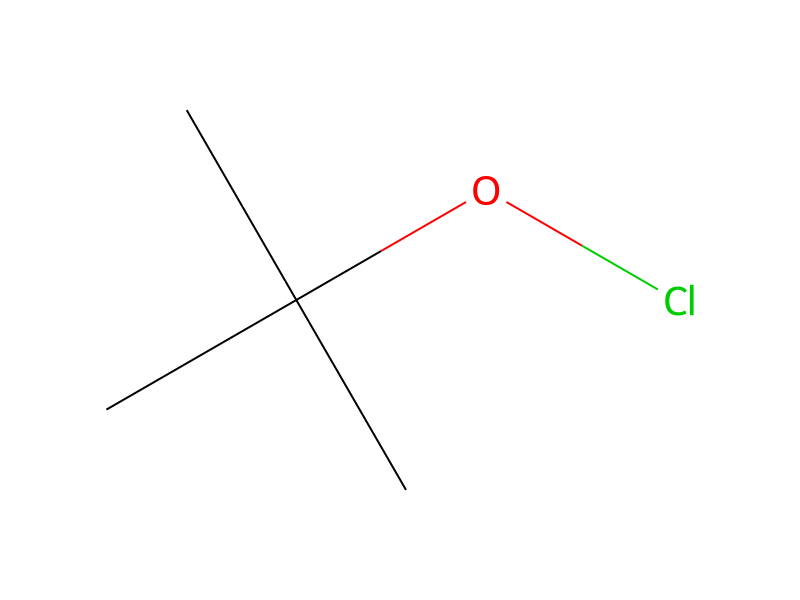
[C:1]1(=[N:7][OH:8])[CH2:6][CH2:5][CH2:4][CH2:3][CH2:2]1.C(O[Cl:14])(C)(C)C.C1CCC=CC=1>C(Cl)Cl.C(O)C>[ClH:14].[CH:4]12[CH2:5][CH2:6][CH:1]([CH:2]=[CH:3]1)[NH:7][O:8]2Participants




Conditions
- Temperature
- -20 °C
Procedure
To a solution of 30.0 g (0.265 mol) of cyclohexanone oxime in 300 ml of methylene chloride and 38 ml of ethanol was slowly added at 0° C. 34.5 g (0.318 mol) of tert.-butyl-hypochlorite. The resulting dark blue solution was cooled to −20° C. and then 31.9 g (0.398 mol) of 1,3-cyclohexadiene were added and the mixture was stored in a freezer at 5° C. for 2 days until the blue color had disappeared. The reaction mixture was concentrated to 50% of its volume and then 600 ml of diethyl ether were slowly added. After stirring overnight the resulting precipitate was isolated by suction to yield 29.0 g of 2-oxa-3-aza-bicyclo[2.2.2]oct-5-ene hydrochloride. 5.0 g (0.045 mol) of this material were hydrogenated with 3.0 g (0.013 mol) platinum oxide at 2 bar hydrogen pressure. After 7 h the catalyst was filtered off and a solution of 20 ml 4 M hydrochloric acid in dioxane was added. After evaporation the residue was recrystallized from 30 ml isopropanol giving 3.1 g of cis-4-aminocyclohexanol hydrochloride.
Workup
- concentrationThe reaction mixture was concentrated to 50% of its volume
- addition600 ml of diethyl ether were slowly added
- customwas isolated by suction
Sources & evidence
- ORD record
- ord-b91830613a34432fbd137e4ea73e0b18
- Source dataset
- uspto-grants-2013_12
- Patent number
- US08609691B2
Reaction notes
Loading…