Sodium Hydroxide → Rotigotine
Reaction equation

[CH3:1][CH2:2][CH2:3][N:4]([C@@H:12]1[CH2:17][C:16]2[CH:18]=[CH:19][CH:20]=[C:21]([OH:22])[C:15]=2[CH2:14][CH2:13]1)[CH2:5][CH2:6][C:7]1[S:11][CH:10]=[CH:9][CH:8]=1.Cl.[OH-].[Na+].P([O-])([O-])([O-])=O.[Na+].[Na+].[Na+]>C(O)C>[CH3:1][CH2:2][CH2:3][N:4]([C@@H:12]1[CH2:17][C:16]2[CH:18]=[CH:19][CH:20]=[C:21]([OH:22])[C:15]=2[CH2:14][CH2:13]1)[CH2:5][CH2:6][C:7]1[S:11][CH:10]=[CH:9][CH:8]=1Participants
5
Reactant 3

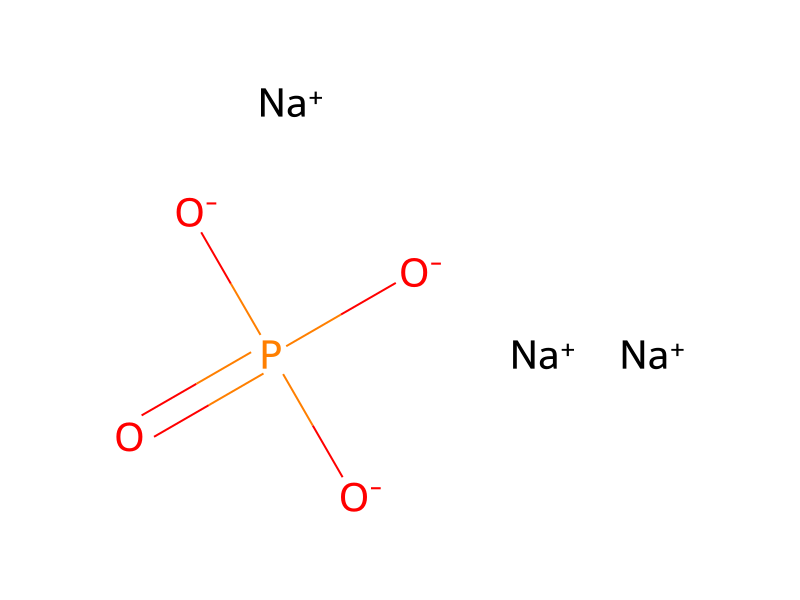

Product 1

Reagents, catalysts & solvents 1

Procedure
150 g Rotigotine hydrochloride were added to a solution of 17.05 g NaOH in 218 g ethanol (96%). The resulting mixture was stirred for approximately 10 minutes. Then 23.7 g of sodium phosphate buffer solution (8.35 g Na2HPO4×2H2O and 16.07 g NaH2PO4×2H2O in 90.3 g water) was added. Insoluble or precipitated solids were separated from the mixture by filtration. The filter was rinsed with 60.4 g ethanol (96%) to obtain a particle-free ethanolic solution of rotigotine essentially in the form of the free base.
Workup
- customInsoluble or precipitated solids
- customwere separated from the mixture by filtration
- washThe filter was rinsed with 60.4 g ethanol (96%)
Sources & evidence
- ORD record
- ord-37a6a86f39714b989c258fa1e8fdfad9
- Source dataset
- uspto-grants-2013_12
- Patent number
- US08617591B2
Reaction notes
Loading…