Hydrochloric Acid → Octahydroindolizin-7-one
Reaction equation

C(O[CH:4](OCC)[CH2:5][CH2:6][CH2:7][NH2:8])C.[CH:12]([C:14]([CH3:16])=[O:15])=[CH2:13].Cl>CCOCC>[CH2:5]1[CH:4]2[N:8]([CH2:13][CH2:12][C:14](=[O:15])[CH2:16]2)[CH2:7][CH2:6]1Participants
Reactant 3

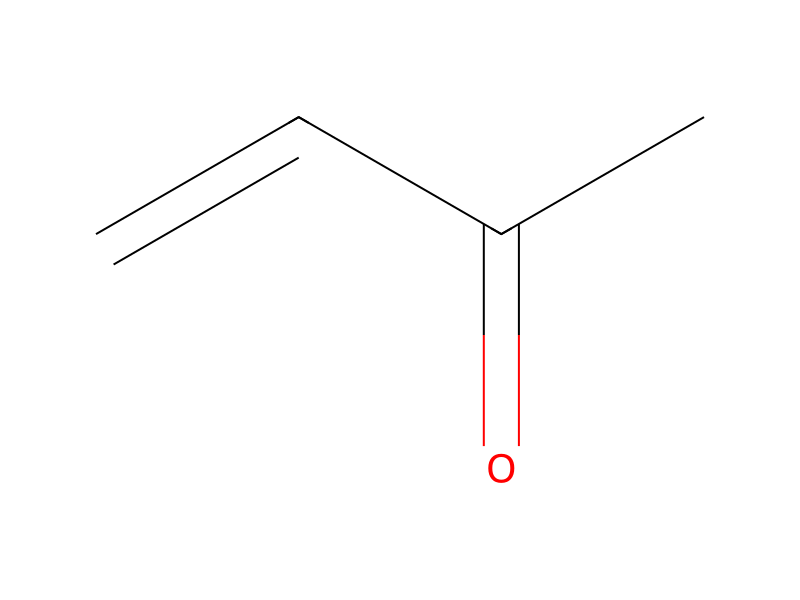

Product 1

Reagents, catalysts & solvents 1

Conditions
- Temperature
- 100 °C
Procedure
To a solution of 4-aminobutyraldehyde diethyl acetal (2.51 mL, 14.3 mmol) in Et2O (5 mL) was added methyl vinyl ketone (1.21 mL, 14.3 mmol). After 1 h, concentrated HCl (5 mL) was added, and the reaction mixture was heated at 100° C. for 2 h. The mixture was concentrated to give hexahydroindolizin-7(1H)-one, which was carried forward without purification. The crude residue was diluted with EtOH (5 mL), and 3-bromophenylhydrazine hydrochloride (1.02 g, 4.47 mmol) was added followed by concentrated HCl (5 mL). The reaction mixture was heated at reflux overnight. After the mixture was concentrated, the residue was purified by flash column chromatography (silica gel, 5% CH3OH in CH2Cl2) to give the title compound (0.15 g, 12%) as a yellow solid: 1H NMR (300 MHz, DMSO-d6) δ 10.95 (s, 1H), 7.43-7.42 (d, J=1.6 Hz, 1H), 7.29-7.26 (d, J=8.3 Hz, 1H), 7.03-7.03 (dd, J=8.4, 1.8 Hz, 1H), 4.10-4.05 (d, J=13.4 Hz, 1H), 3.22-3.14 (m, 2H), 2.92-2.88 (d, J=13.7 Hz, 1H), 2.57-2.40 (m, 2H), 2.32-2.22 (m, 1H), 2.09-1.98 (m, 1H), 1.88-1.75 (m, 2H), 1.57-1.53 (m, 1H); ESI MS m/z 291 [M+H]+.
Workup
- concentrationThe mixture was concentrated
Sources & evidence
- ORD record
- ord-5a5018a46d164bedba4080180f1dc1ec
- Source dataset
- uspto-grants-2013_12
- Patent number
- US08618299B2
Reaction notes
Loading…